

Black Studies Newsletter | Summer 2026
Message from the Chair
Greetings from the Department of Black Studies! I hope you have had a great summer! As we prepare for the 2026-2027 academic year, we extend a warm welcome to new faces and familiar ones. This year, I am honored to step into the role of department chair and to help continue building on the legacy of Black Studies at Providence College. At a moment when Black Studies—and the histories, communities, and questions at the heart of our field—remain as vital as ever, I am grateful to continue this work alongside our phenomenal students, faculty, and staff. Here’s to another year of studying the past, engaging the present, and (re)imagining the future. Nu sta djuntu, nu sta forti (‘We are together; we are strong’).
– Dr. Eva Michelle Wheeler
Chair
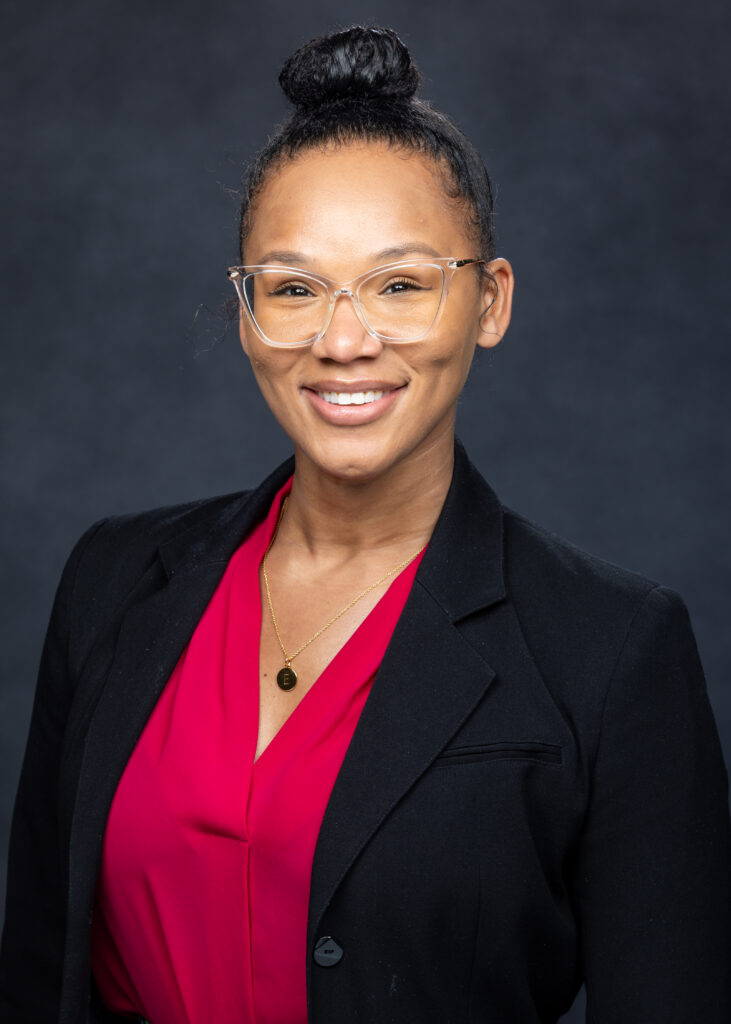
FACULTY AND STAFF
Meet the Department
BLACK STUDIES, WORLD LANGUAGES AND CULTURES
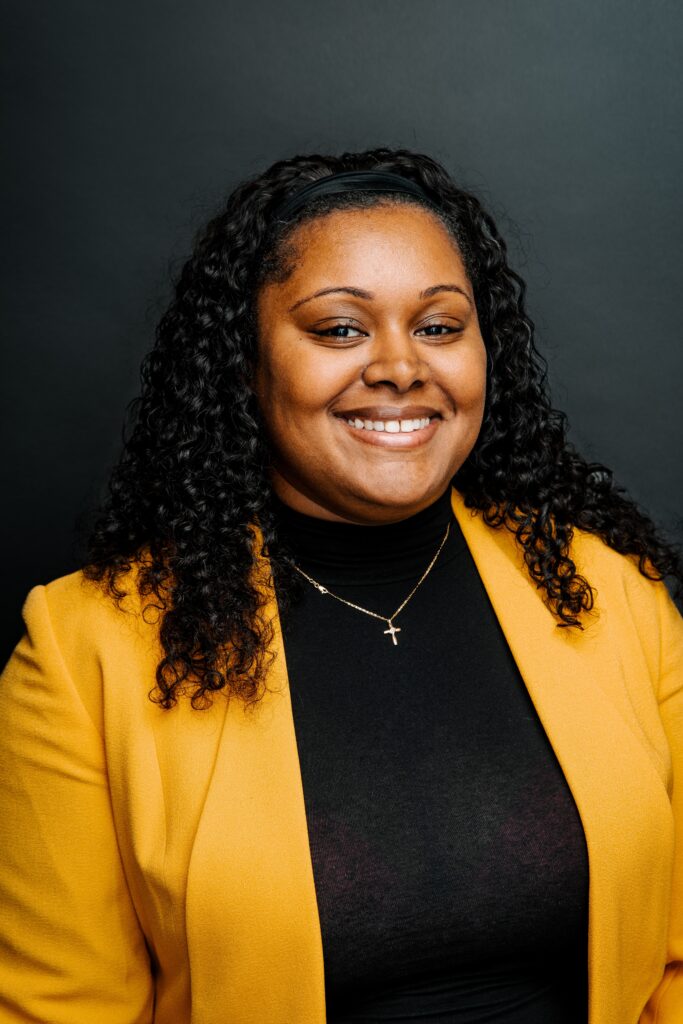
BLACK STUDIES, HEALTH SCIENCES
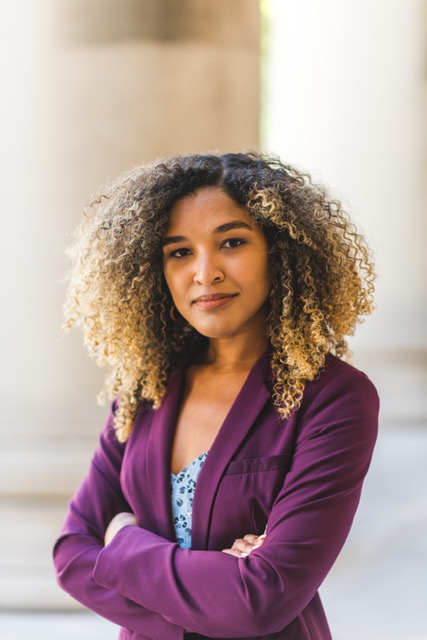
BLACK STUDIES
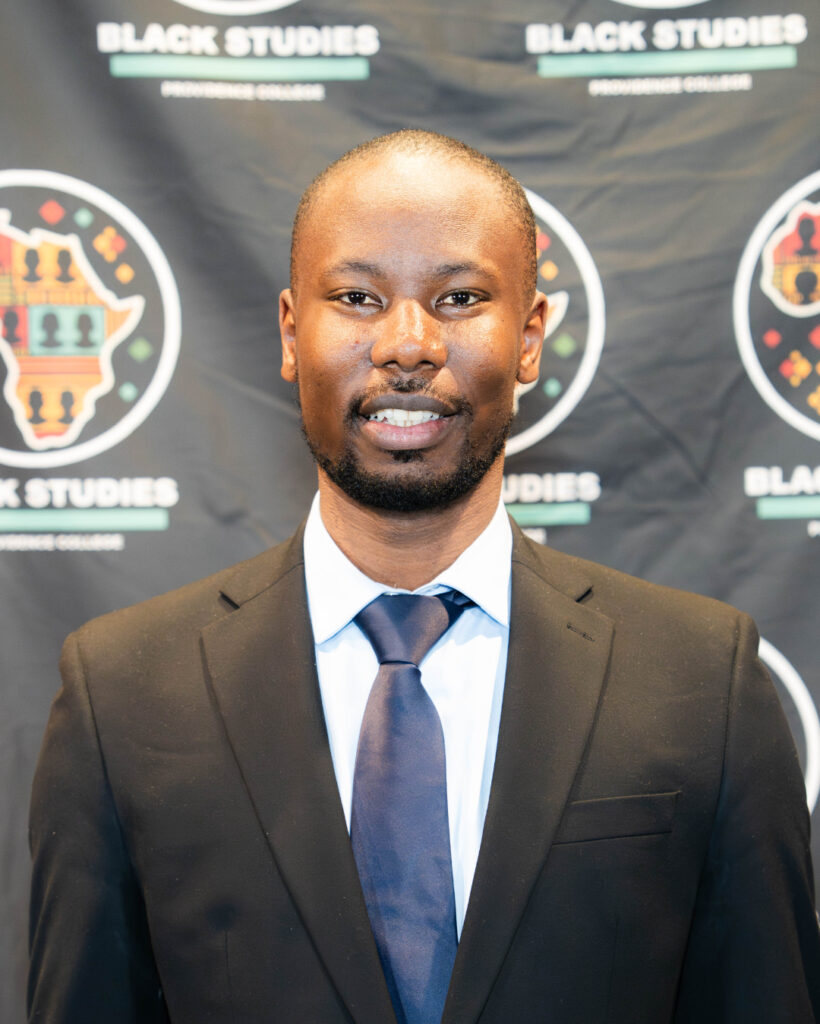
BLACK STUDIES, WORLD LANGUAGES AND CULTURES
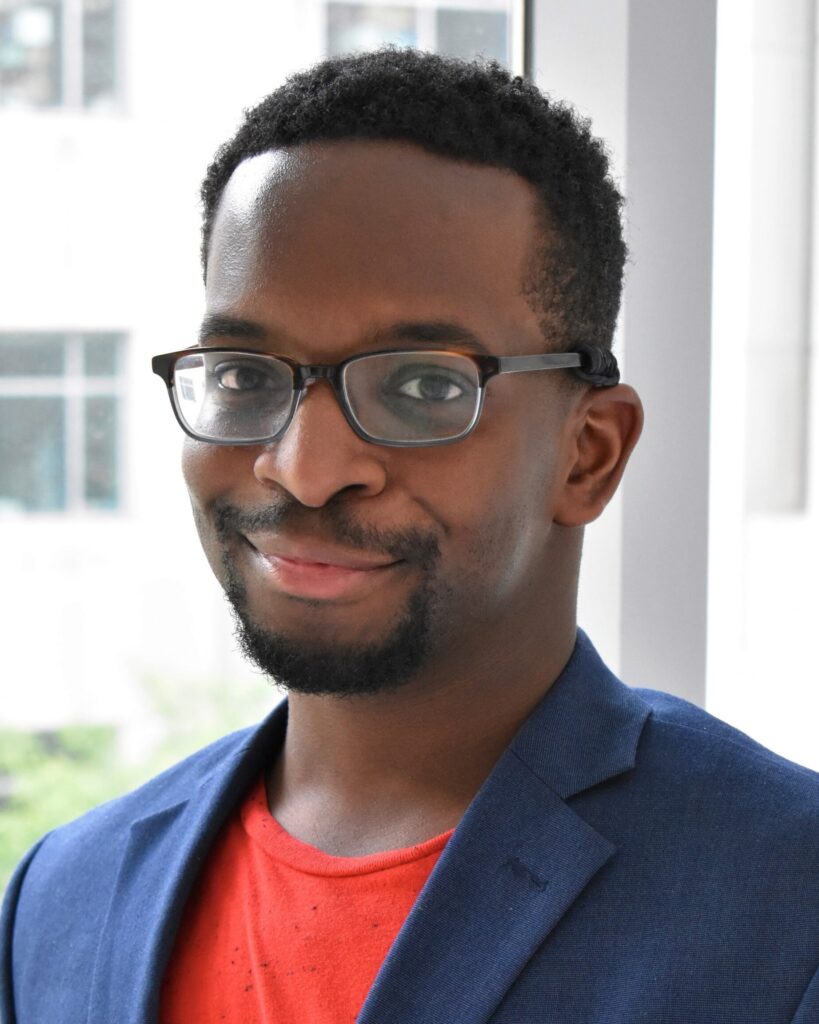
BLACK STUDIES
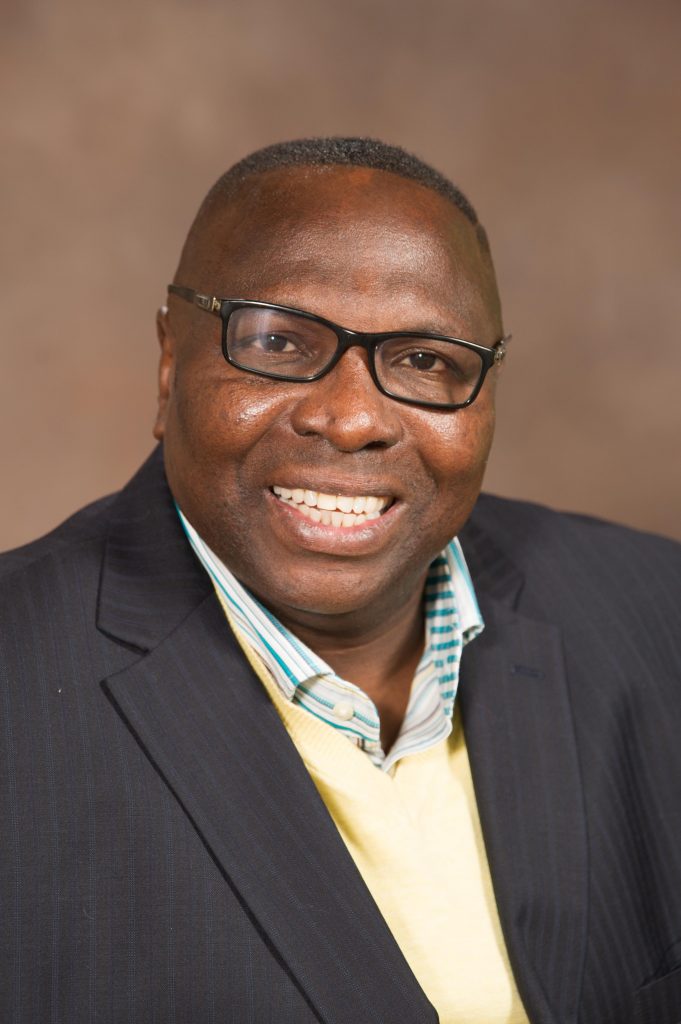
BLACK STUDIES, ADJUNCT PROFESSOR
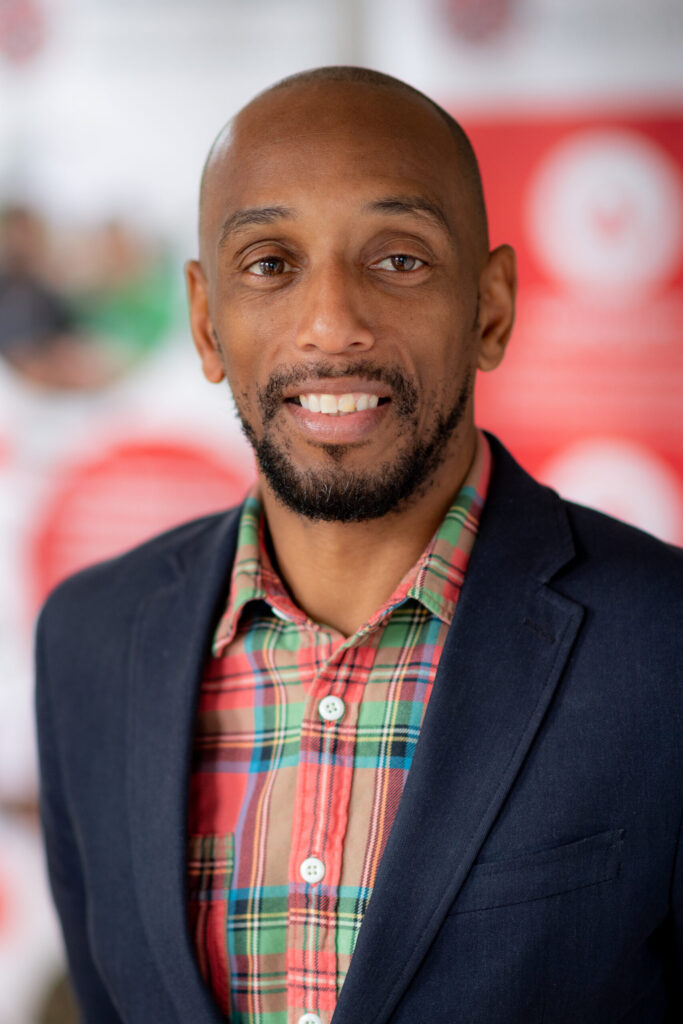
BLACK STUDIES, ADJUNCT PROFESSOR
WHAT’S INSIDE
Faculty News
- Dr. Fall Co-Publishes Critical Edition of The Essential Senghor
- Dr. Scott’s Year of Conferences
- A Q&A with Dr. Cato
- Race, Empire, and Pan-Africanism: Dr. Wheeler’s Summer in the Portuguese Archives
Department News
- Celebrating Our Graduating Seniors
- Curriculum Information
Fall Courses
Fall 2025- Spring 2026 Events
- “Reflections Unheard” Documentary Screening | October 2025
- Dr. Joanna Dreby, “How Communities Matter for Surviving the I.C.E. Age” | November 2025
- More Than Just Words: How Identity-Based Language Impacts Social Norms in Communities | February 2026
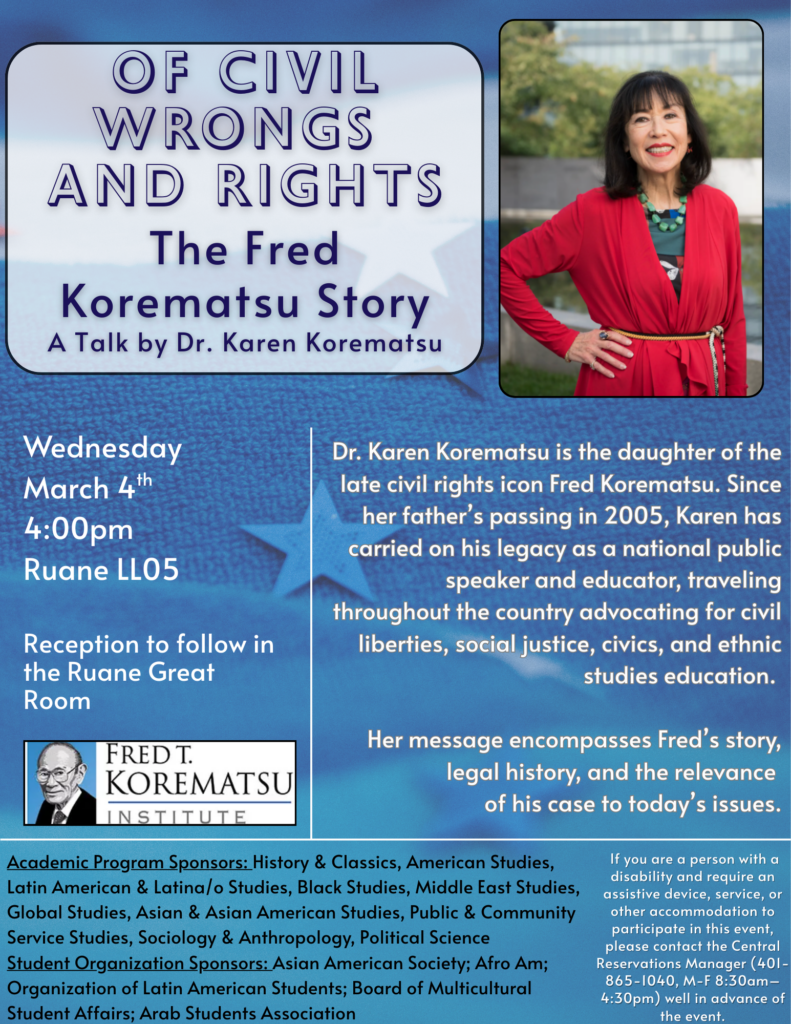
- “Of Civil Wrongs and Rights: The Fred Korematsu Story” A Talk by Dr. Karen Korematsu | March 2026
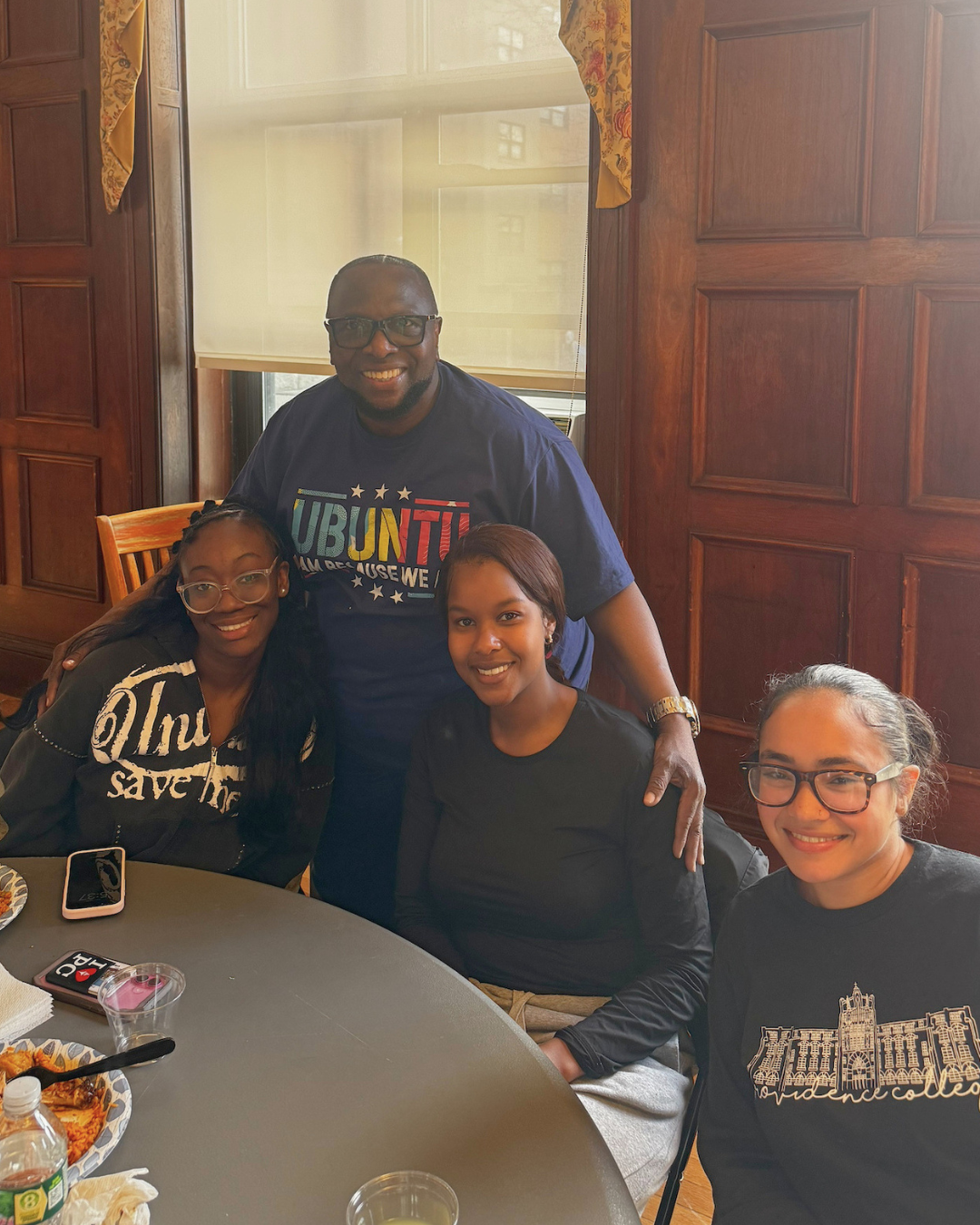
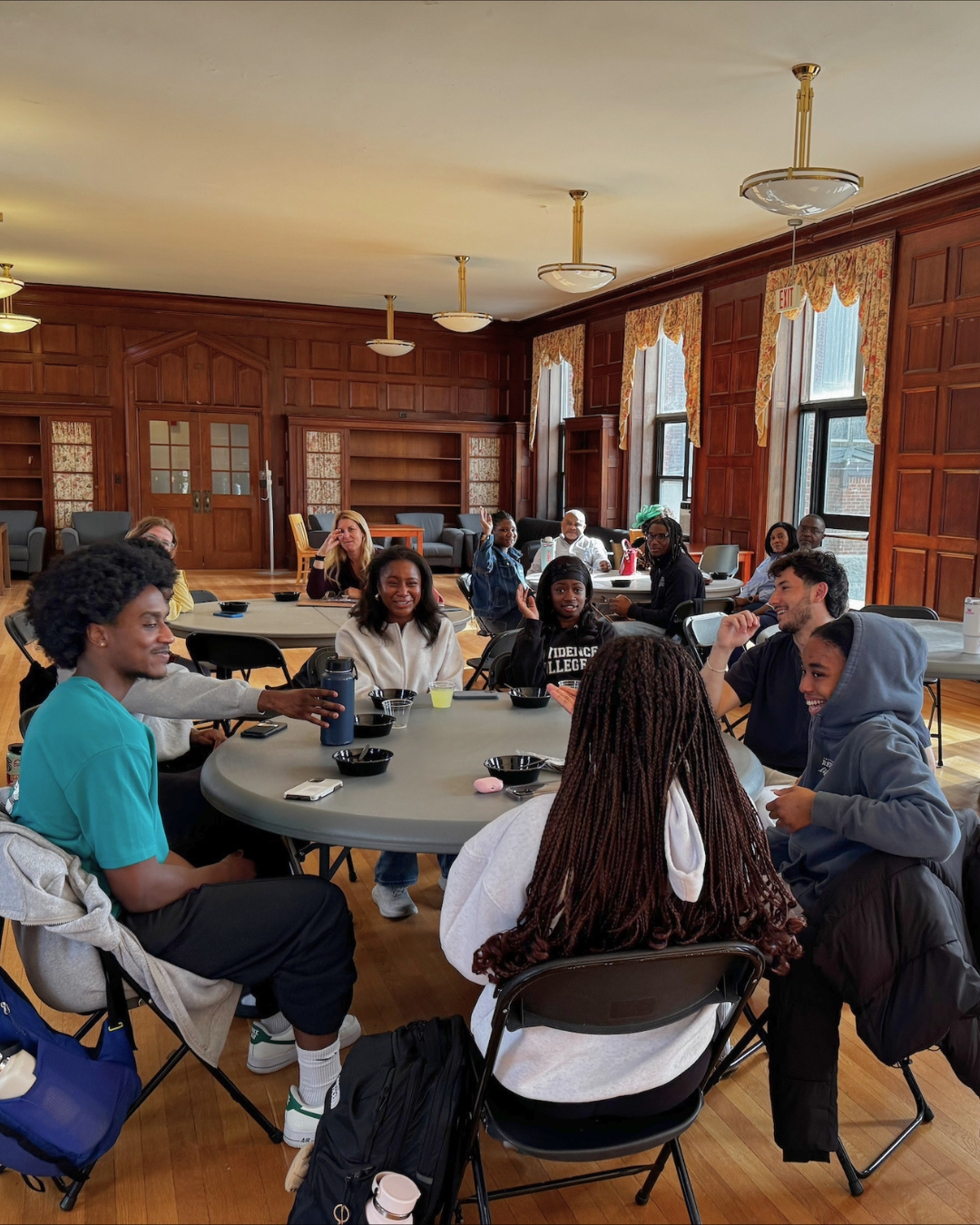
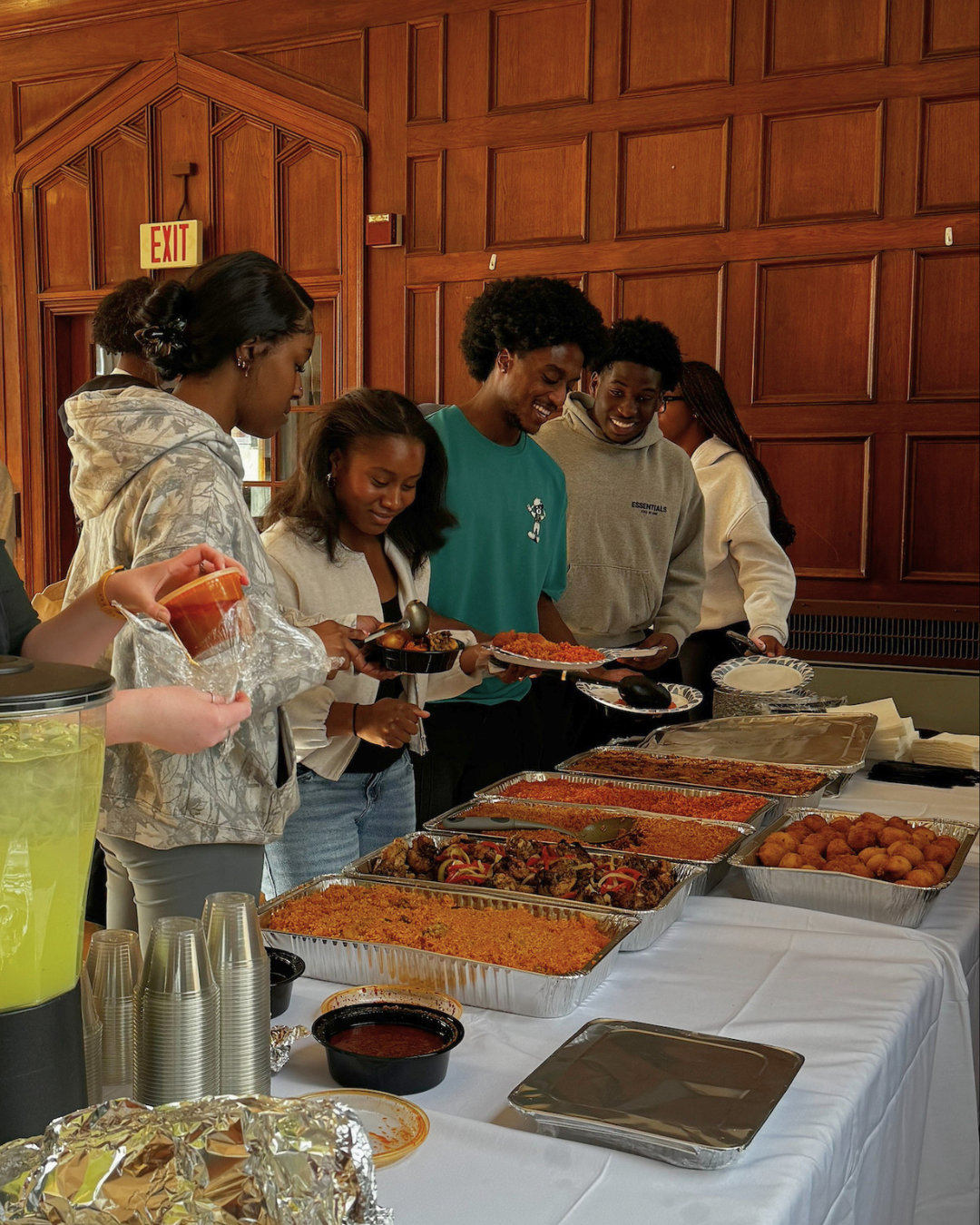
- African Jollof Dinner with Dr. Kyei-Poakwa
FACULTY NEWS
Dr. Fall Co-Publishes Critical Edition of The Essential Senghor
Congratulations to Dr. Fall on his new publication, The Essential Senghor: African Philosophy and Black Aesthetics this past spring! Dr. Fall, along with his co-editors and translators – Dr. Doyle D. Calhoun of the University of Cambridge and Dr. Cheikh Thiam of Amherst College – are some of the first to translate Senghor’s critical essays and philosophical writings into English. Souleymane Bachir Diagne, author of African Art as Philosophy: Senghor, Bergson and the Idea of Negritude wrote of The Essential Senhor that “this invaluable reader makes Senghor’s thought directly available to an English-language audience, offering a very good overview of his philosophy, perfectly capturing his original text, and assembling selections with precision and care. It will become a touchstone for those in African studies, philosophy, art, and beyond.”
To purchase the book, visit Duke University Press below for a paper or hardcover copy.
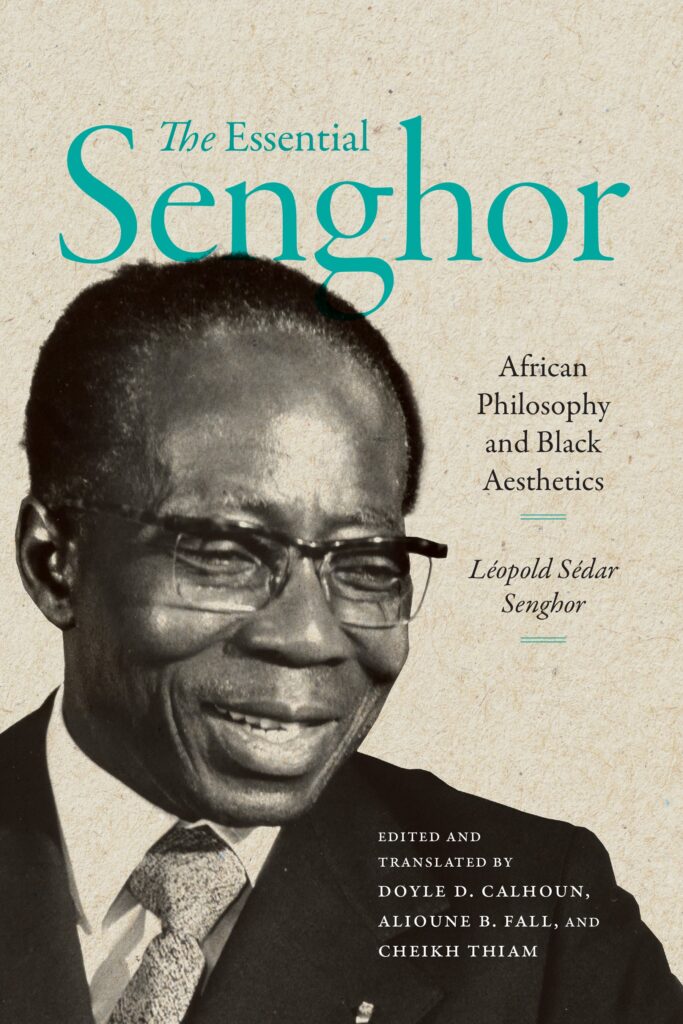
“Senegalese poet, philosopher, and politician Leopold Sédar Senghor, together with Aimé Césaire and others, developed the influential and perennially relevant negritude movement—a Black artistic, philosophical, and political expression of Black presence in the modern colonial world. The Essential Senghor provides a new opportunity for English-language readers to engage with Senghor’s critical and philosophical writings spanning from 1937 to 1985. This collection includes Senghor’s key philosophical interventions in discourses on freedom, Blackness and being, humanism, history, and more. It portrays Senghor as a pivotal intellectual in the fields of African and Black studies whose work engages a wide range of disciplines, including literature, linguistics, anthropology, religion, and art history. The Essential Senghor invites readers not only to reflect on negritude and its importance for our political present, but also to reconsider intellectual genealogies of decolonial thought, Black liberation, and African philosophy.”
Dr. Scott’s Year of Conferences
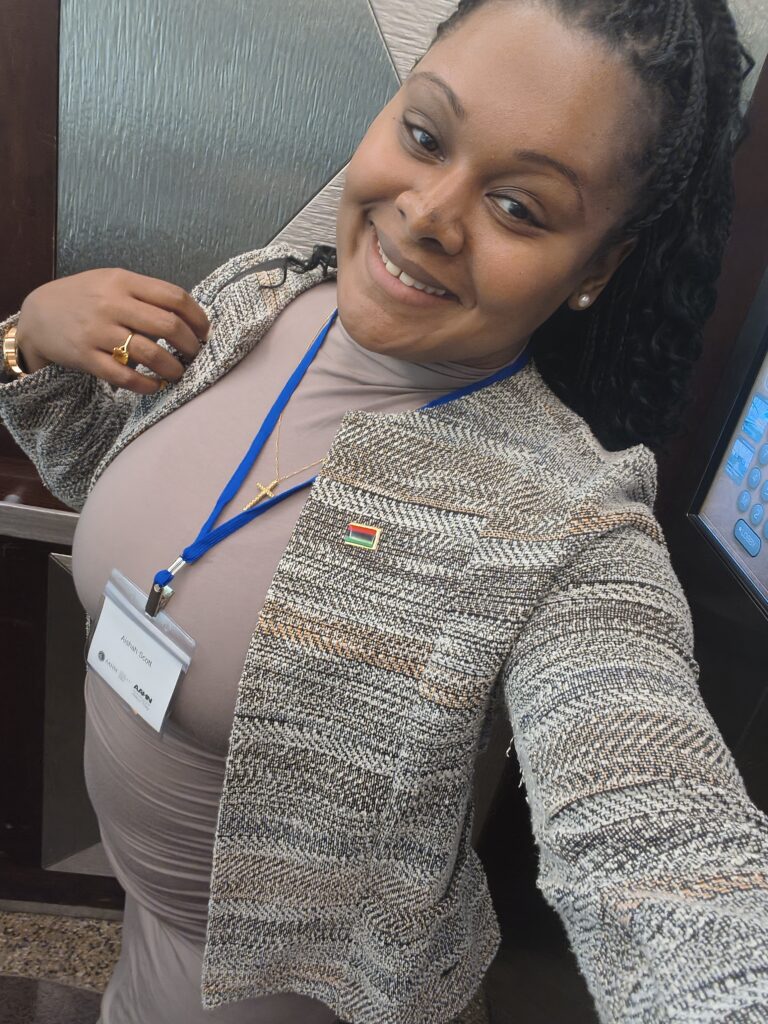
This past fall, Dr. Scott presented at several conferences, and also served on the Estes Prize Committee for the American Association for the History of Medicine, helping to select the best peer-reviewed paper in the history of pharmacology published over the previous two years. The award was presented at the Association’s annual meeting in May 2026.
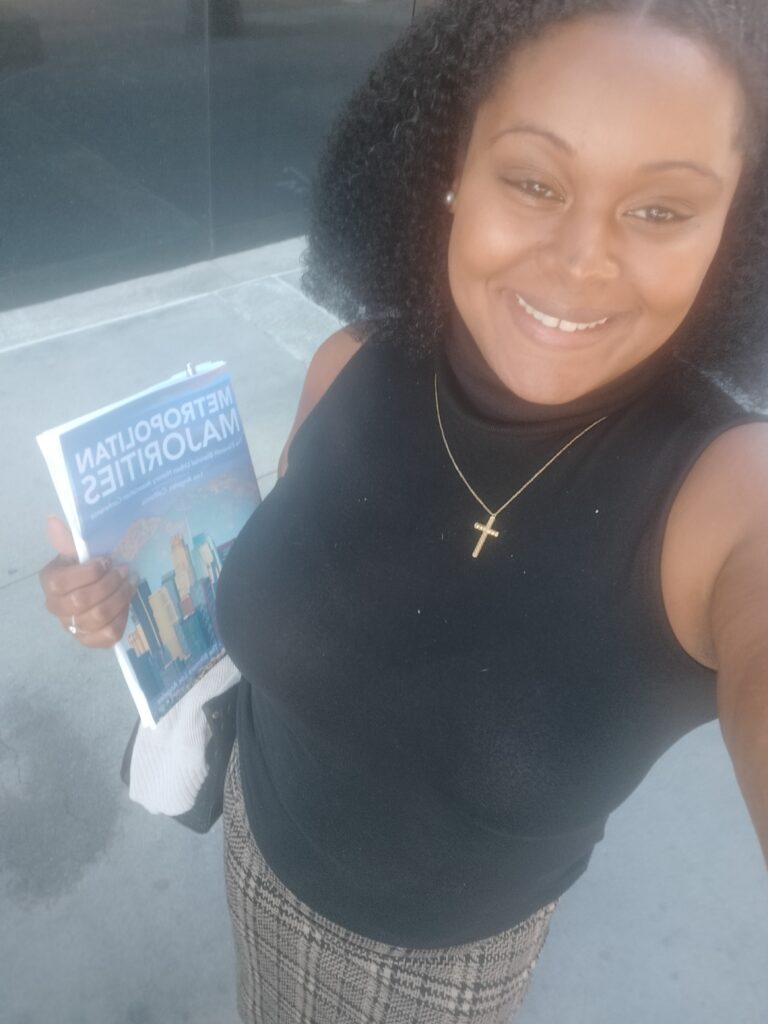
Urban History Association – Los Angeles, CA
October 2025
Presentation: “Weaponizing Respectability: HIV/AIDS, Racial Disparities, and State Resistance in Black America”
This presentation examined how the intersecting crises of HIV/AIDS, crack cocaine, and mass incarceration disproportionately affected Black communities during the 1980s. It also explored how respectability politics were weaponized by the state to justify the persistence of racial and health disparities following the Civil Rights Movement through the Clinton administration.
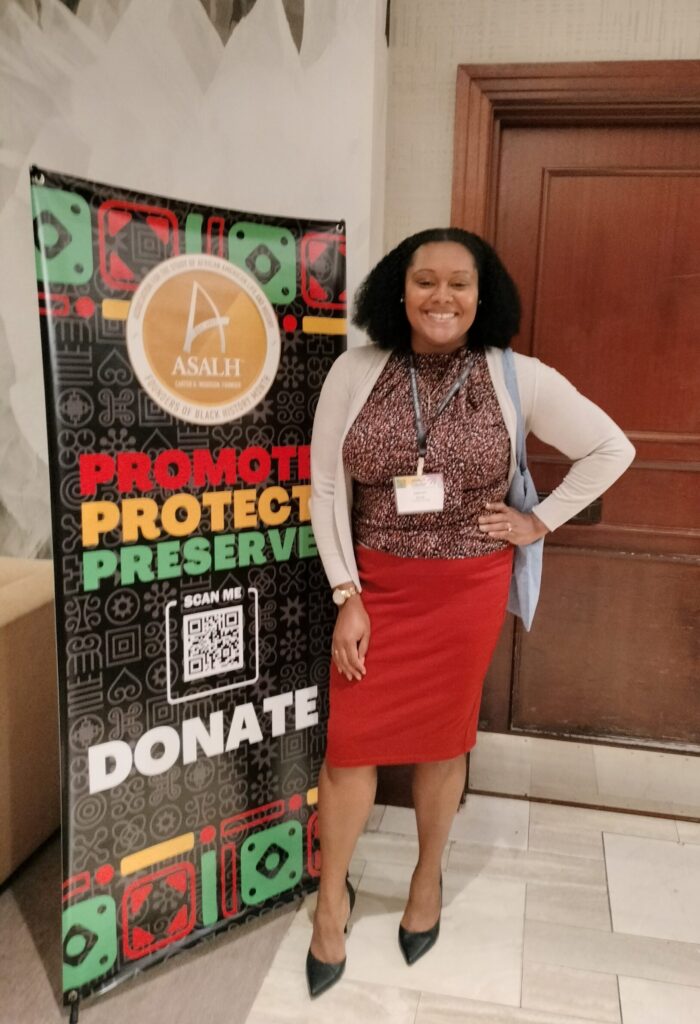
Association for the Study of African American Life and History (ASALH) – Atlanta, GA
September 2025
Presentation: “Fighting HIV/AIDS and COVID-19 in Black America”
American Studies Association (ASA) – San Juan, Puerto Rico
November 2025
Presentation: “Weaponized Respectability: HIV/AIDS, COVID-19, and State Resistance in Black America”
My presentations at ASALH and ASA examined the historical parallels between the HIV/AIDS and COVID-19 pandemics and the persistent racial health disparities experienced by Black Americans. Drawing on case studies ranging from the Medical Committee for Human Rights and the Black Panther Party’s free clinics to the Black Doctors COVID-19 Consortium and contemporary physician-led antiracism initiatives, I explored how Black health professionals and community activists have challenged medical racism and how many of the grassroots organizations established during the AIDS epidemic were mobilized once again during the COVID-19 pandemic.
A Q&A with Dr. Cato
This fall, Dr. Cato will be rejoining the Black Studies Department as a full time faculty member – we’re so excited for his new role as Assistant Professor of Black Studies!
What is your research area?
I study Black social, political, and religious thought—particularly that from the 20th century. I am especially interested in Black people’s conceptions, practices, and cultural depictions of love, and I approach my investigations using Black feminist frameworks. After attending a predominantly white, all-boys school in DC for 9 years, I was exposed to the perspectives and culture of Black women at my alma mater, Swarthmore College, and by the time I graduated in 2014, I identified as a Black feminist and have spent my career trying to demonstrate that (Black) feminism is for everyone—especially Black men.
Are you currently working on any projects?
I’m currently working on a book about African American author James Baldwin’s philosophy of love and the conversations that helped foster those ideas. Baldwin was raised in the Black Pentecostal church as a child and became a preacher in his teen years, and while he left the church due to its homophobia, he never let go of the Christian commitment to love and charity. He spent the rest of his life working to celebrate love’s capacity to change the world, and he developed many of his ideas through reflections on his own struggles with love and private and public conversations with other Black thinkers. By the time he died in 1987, he had reflected on love with countless figures including Ralph Ellison, Nikki Giovanni, Audre Lorde, and Toni Morrison. In my book, I combine biographical, religious, and political analysis to show the depth of Baldwin’s ideas on love and their relevance in our current moment of political distress.
What is one class you’re excited to teach at PC?
This fall I’ll teach BLS 314. Black Feminisms. As sentimental as it sounds, the principles of Black feminisms have helped me overcome a variety of personal and political struggles, including issues with mental health, racism, physical disabilities, and my social position as a queer Black man. While I have a “FEMINIST” tattoo on my arm and find constant excuses to tell non-men about my love of bell hooks and Audre Lorde, I’m so excited to go a step beyond virtue signaling and discuss these ideas with students at Providence. Despite PC’s lack of diversity, the class looks as though there are students from a variety of backgrounds. We will have tremendous fun seeing how “[Black] Feminism is for everyone” (to quote Black feminist bell hooks), and the class will provide a fascinating examination into the politics and particularities of Providence College.
Who is your muse and what about them inspired you to do the work you do?
My muse is my mother, Elanor Cato. She spent more than 40 years teaching Kindergarten and Pre-Kindergarten at an elite private school in Washington, DC. The eldest of six in a very poor family from New Jersey, she spent much of her teenage years helping to raise her siblings after her father passed away when she was sixteen. It took me years to realize this, but her life mirrored those of many of the Black thinkers I study, especially James Baldwin. After working her way through the University of Pennsylvania and earning a degree from an Ivy League institution, she became one of the first Black teachers at Beauvoir School, one of the wealthiest schools in the DC area.
Yet rather than accept the privilege and wealth of her school, she spent her career diversifying the curriculum and creating spaces for students of color and those on financial aid. She was at her happiest when teaching, and her pedagogy was grounded in the idea of “learning as play”: she knew students learned best when enjoying themselves, and I will spend my career working to bring this learning style into college classrooms.
While she wasn’t one for ideology and political debate, she is the archetypal Black feminist and practitioner of love politics, and, as I told her shortly before she passed away, my scholarship is an attempt to translate the love she showed the world into a practical philosophy and lifestyle. When she passed in 2019, her school honored her with a memorial service at the Washington National Cathedral—the sixth-largest cathedral in the world—attended by more than 900 people. Clearly the values she embodied made an impact on the world and need to be preserved. My dad is an inspiration as well, but Black boys will always love their moms more than anyone/anything!
What are some of your hobbies?
While I love teaching, my true passion is books, and I spent a large amount of time collecting both rare and readable copies of books. I have over 2200 books stacked in piles around my studio apartment, as well as a large number of rare books by Black authors. Last year I completed my collection of signed, first edition(!) copies of Toni Morrison’s novels (including The Bluest Eye from 1970!!!), and last month I obtained signed copies of Becoming by Michelle Obama and A Promised Land by Barack Obama (of course, Michelle’s book is better). I also love to travel and see concerts featuring classic soul artists like Earth, Wind, and Fire, and contemporary soulstresses like Ella Mai and SZA.
What are your top four movies, books, or songs?
Movies:
1. The Godfather
2. Pulp Fiction
3. Beauty and the Beast
4. Die Hard
Books:
1. James Baldwin, Notes of a Native Son and/or Go Tell It on the Mountain
2. Ralph Ellison, Invisible Man
3. Plato, Symposium
4. Fyodor Dostoevsky, The Brothers Karamazov
Songs:
1. Stevie Wonder, “If It’s Magic”
2. The Beatles, “Hey Jude”
3. Fleetwood Mac, “You Make Loving Fun”
4. Stevie Wonder, “As”
Race, Empire, and Pan-Africanism: Dr. Wheeler’s Summer in the Portuguese Archives
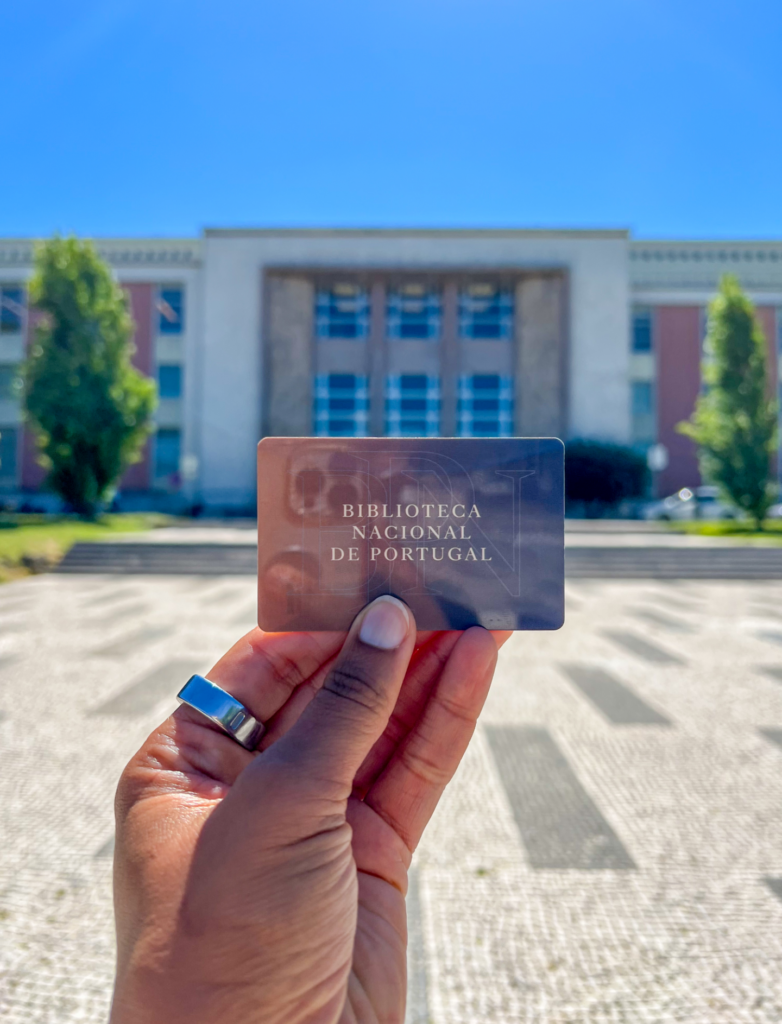
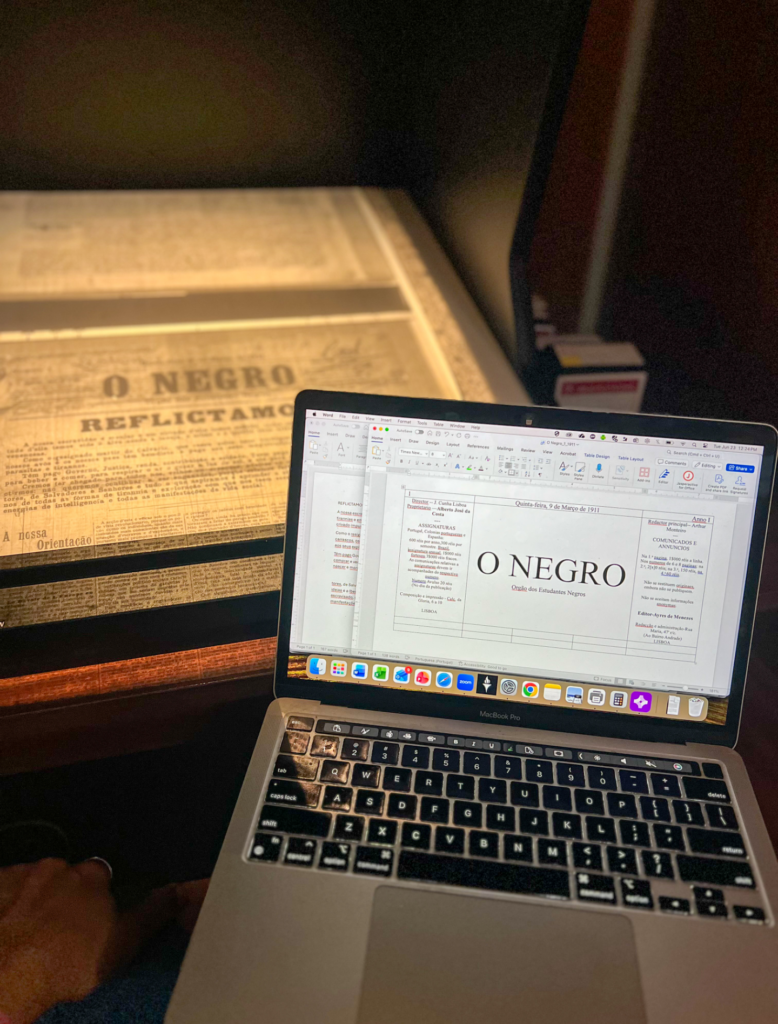
This summer, Dr. Eva Michelle Wheeler spent two months conducting archival research at the Biblioteca Nacional de Portugal (BNP) in Lisbon, supported by a “Short-Term Research Grant” from the Luso-American Development Foundation and an “Interdisciplinary Scholar Award” from the School of Arts & Sciences. Dr. Wheeler, who teaches department courses on Black Europe (a Maymester course co-taught with Dr. Alioune Fall), the Black Diaspora in Providence, and Afro-Latinidad(es), is a sociocultural linguist whose work examines the relationship between language, race, identity, and belonging across the African diaspora. Her research often asks how racial meanings are produced through language—and how Black communities use language to define themselves, contest dominant narratives, and imagine new possibilities.
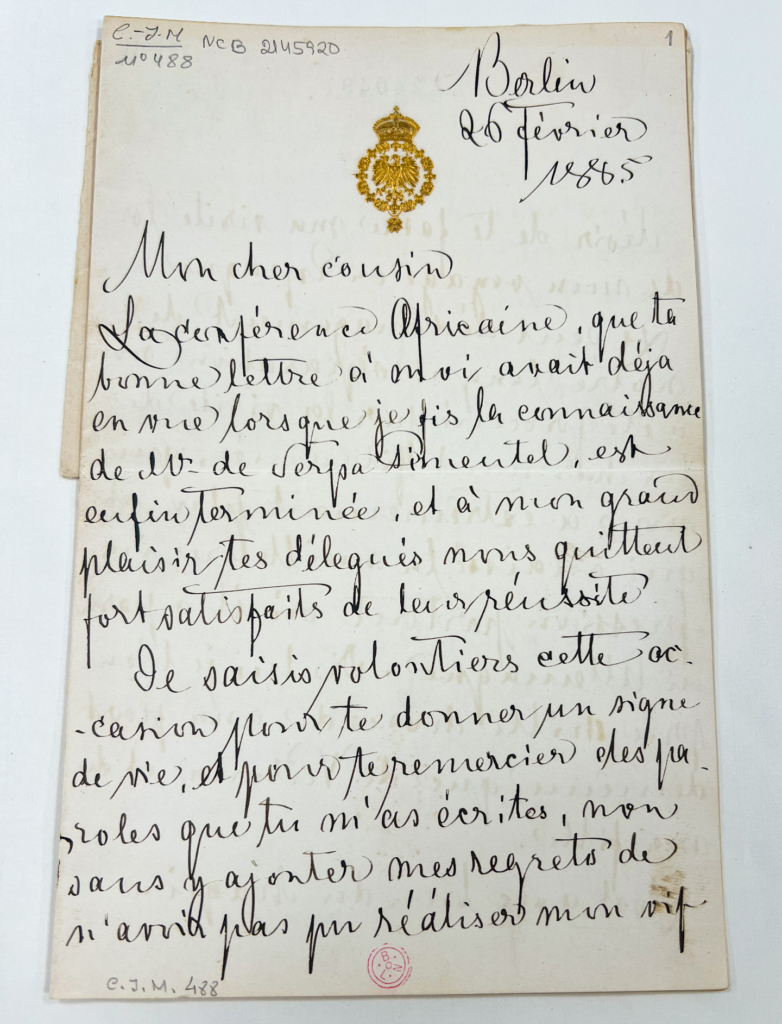
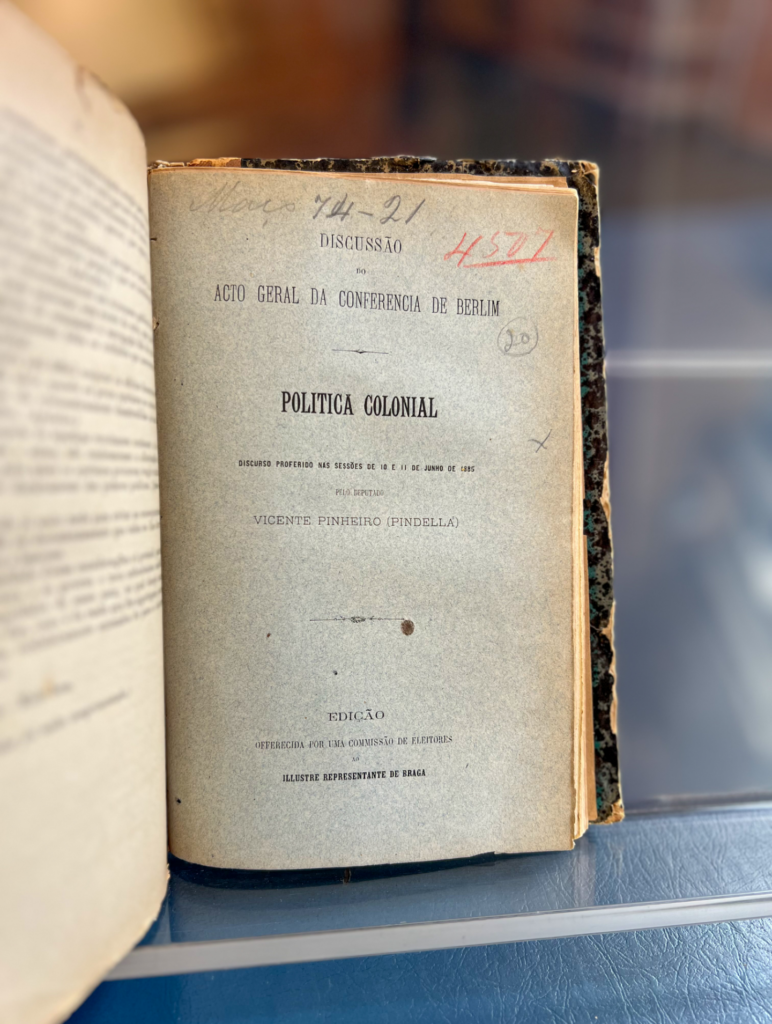
During her time at the BNP, Dr. Wheeler had the opportunity to examine the full proceedings of the 1884 Berlin Conference (where European countries and the U.S. sat down and divided Africa), as well as press coverage of the conference, and letters sent to the king of Portugal. Navigating between French and Portuguese, Dr. Wheeler drew on her reading knowledge of both languages (and a few technological aids) to trace the colonial ideas embedded in Europe’s claims of entitlement to exploit African territories and resources.
As a counternarrative to Portugal’s colonial propaganda, Dr. Wheeler also examined newspapers published between 1911 and 1935 by members of Lisbon’s transnational Black community—O Negro, Correio de Africa, A Voz d’Africa, and A Mocidade Africana, among others. In the pages of these newspapers, Black writers named and defined themselves and their communities on their own terms, drew attention to struggles facing Black people around the globe (e.g., violent lynchings in the southern U.S., famine and colonial neglect in Cabo Verde, police violence in Guinea-Bissau), debated contemporary political issues, and imagined futures in which liberation and equality might become realities for all people. The archive also offered important evidence of Lusophone participation in early Pan-African networks, including extensive discussion of the Pan-African Congresses and W. E. B. Du Bois’s 1923 visit to Lisbon. Most days, Dr. Wheeler could be found in a dimly lit reading room, scrolling through reel after reel of microfilm—and there was nowhere else she would have rather been. The research offered a powerful reminder that where there is oppression, there is always resistance; that solidarity does not fit neatly within national borders; that movement forward in time does not necessarily correspond to progress; and that, in many ways, the past is prologue. What happens next is up to us.
Department News
Celebrating Our Graduating Seniors
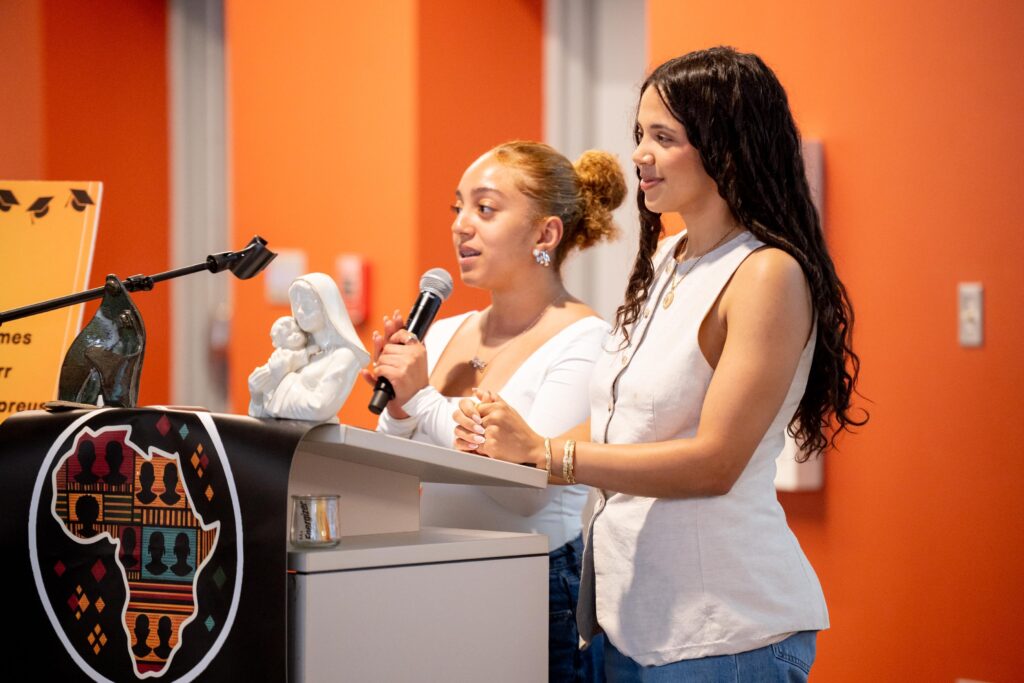
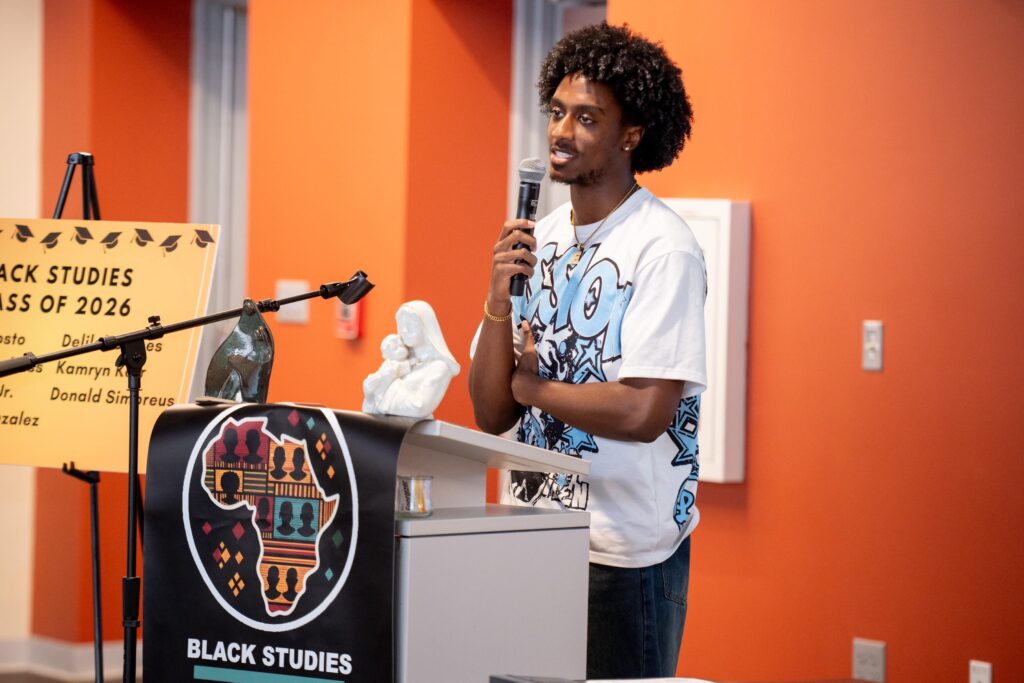
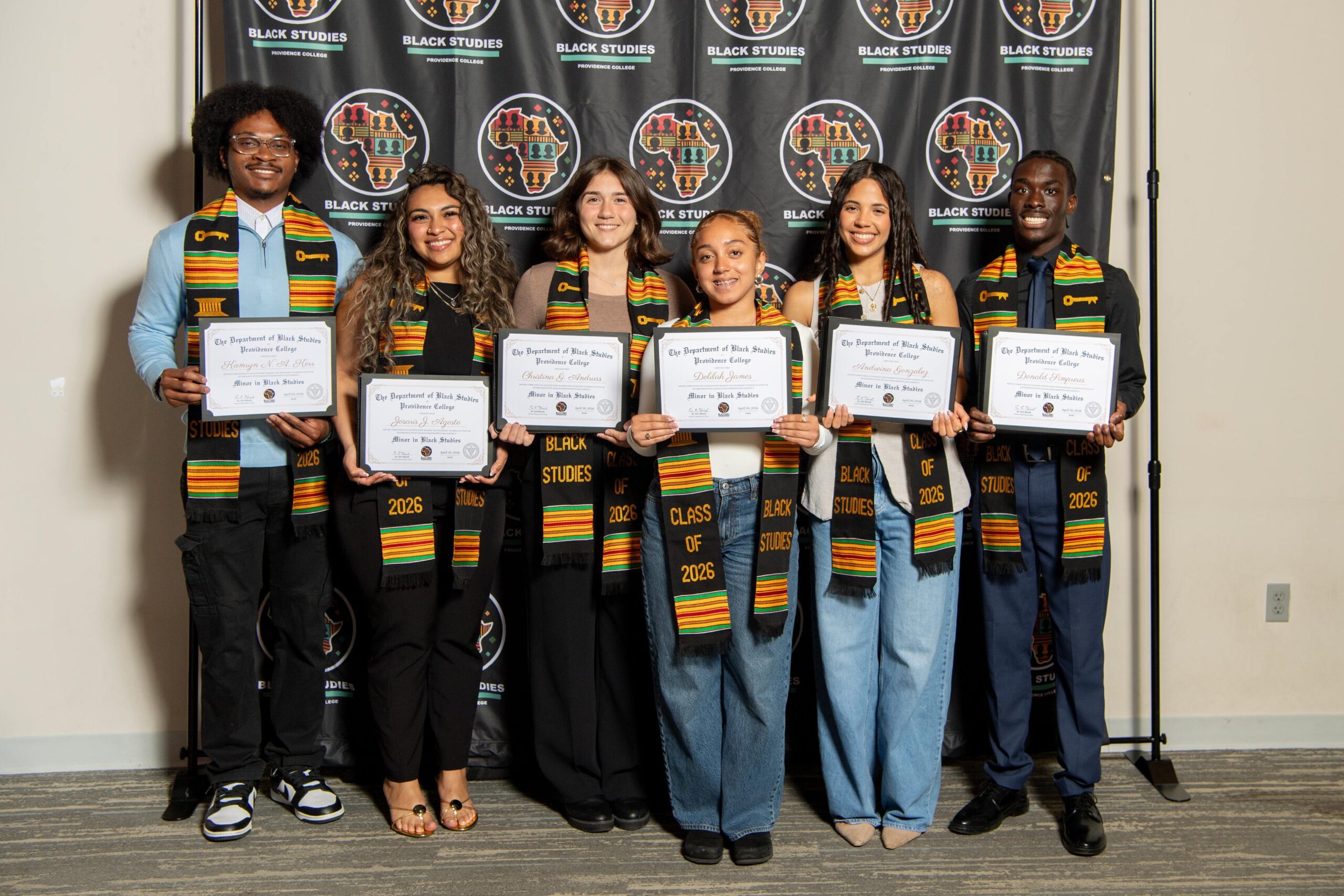
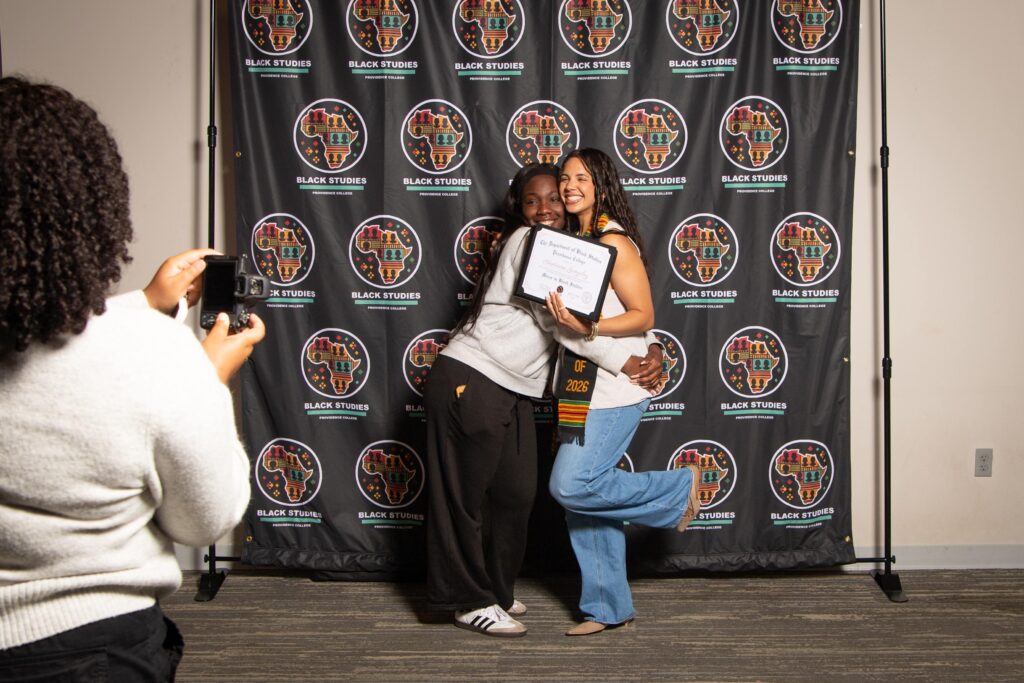
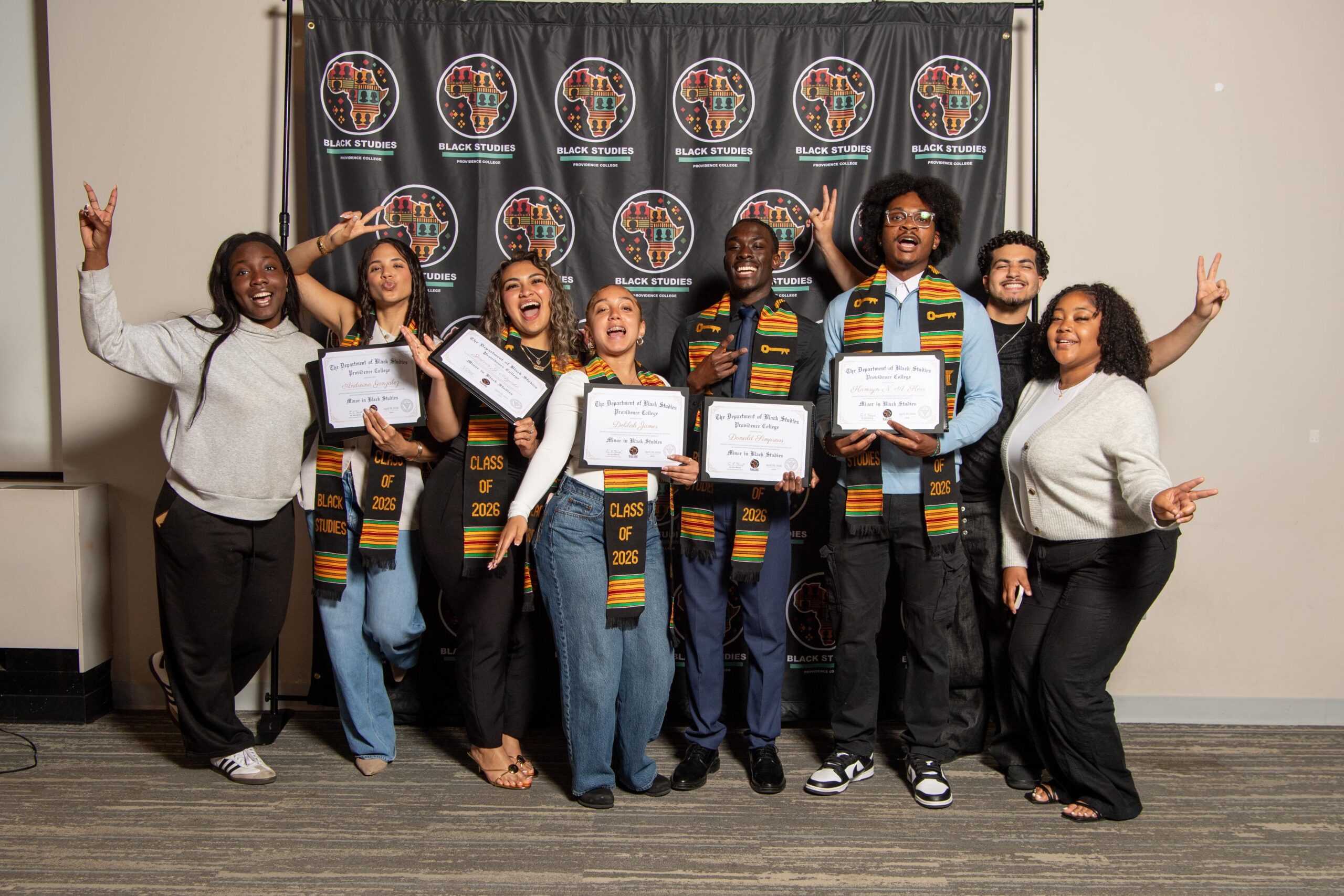
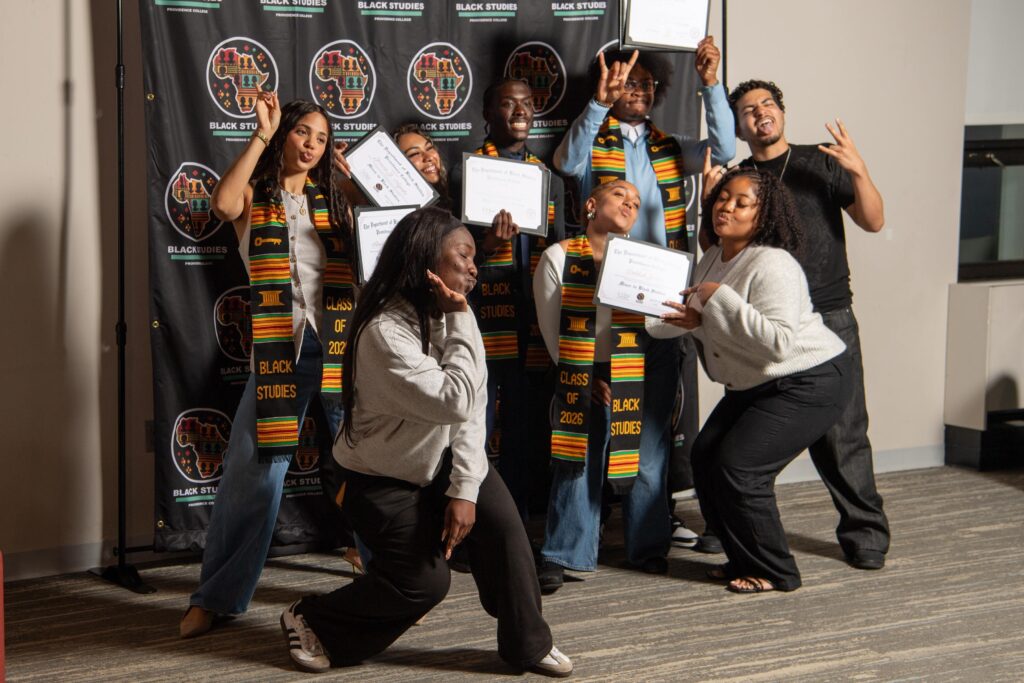
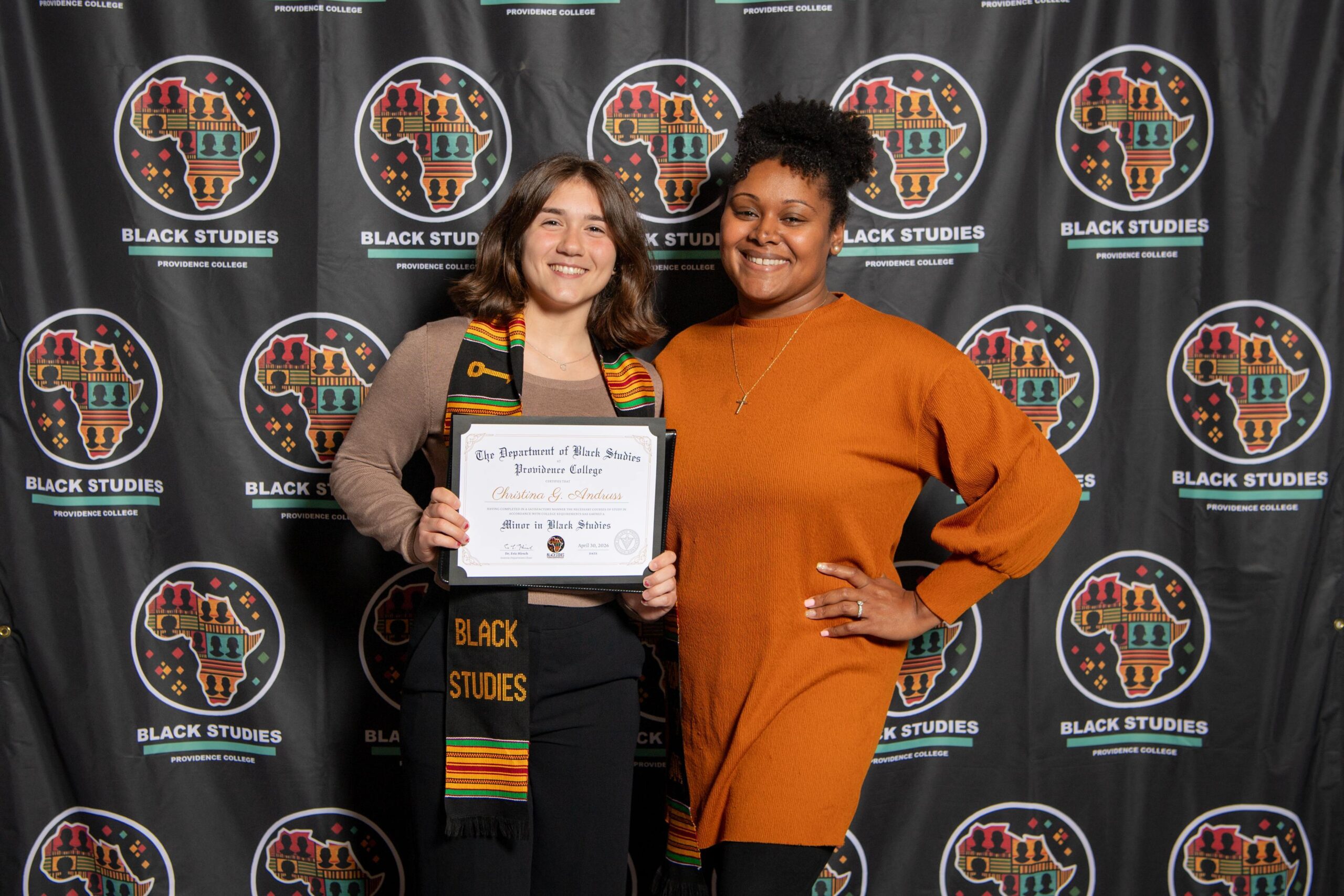
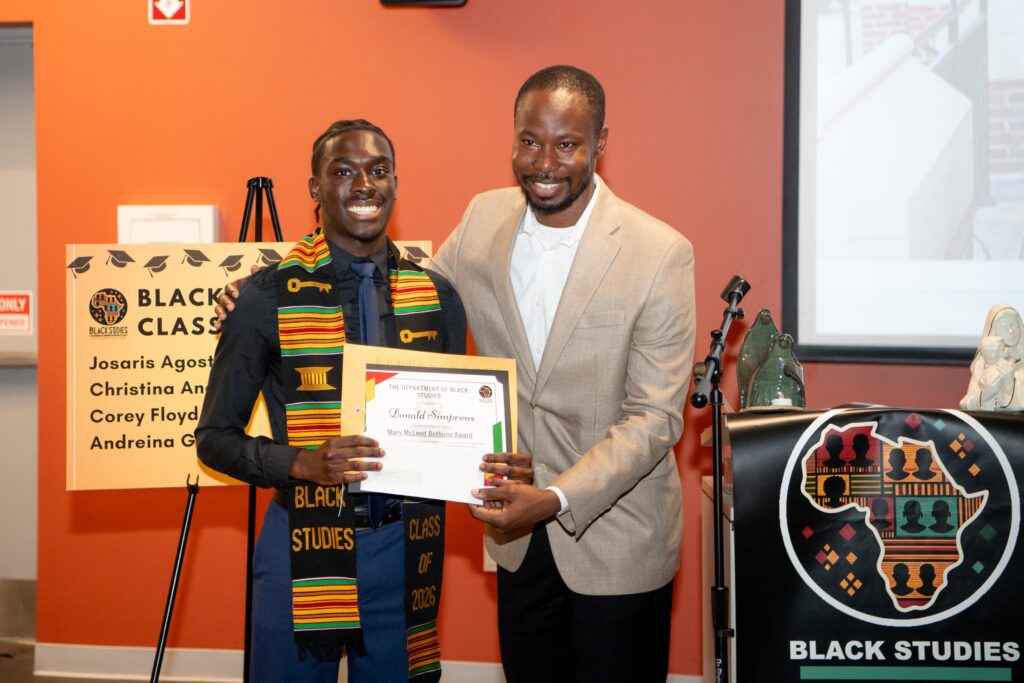
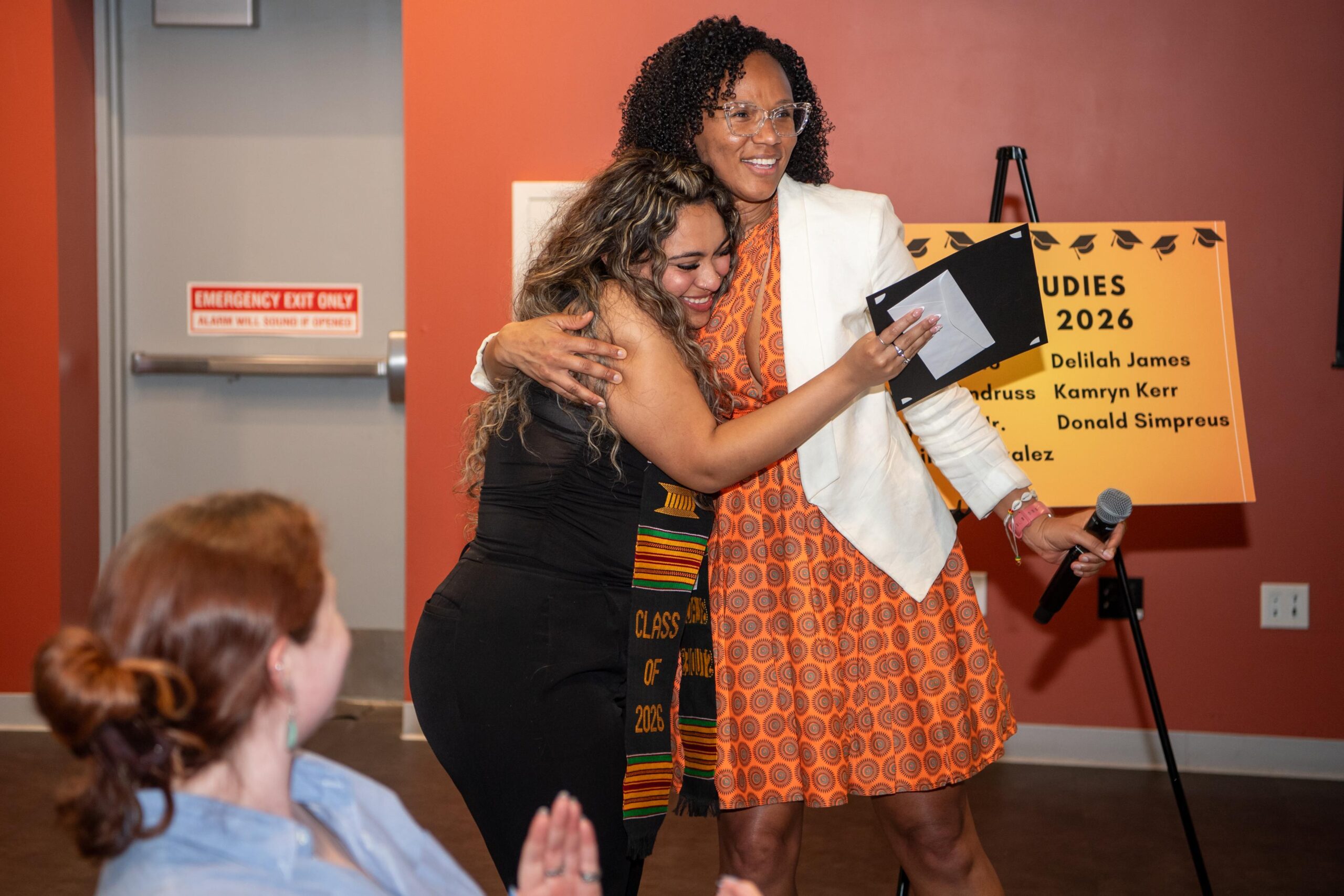
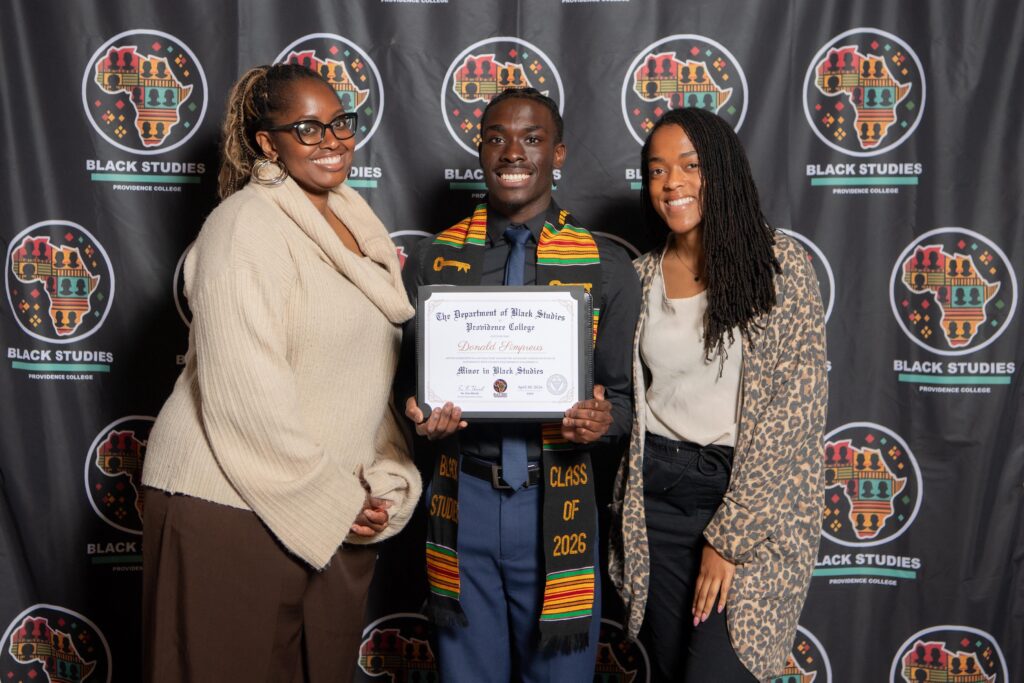
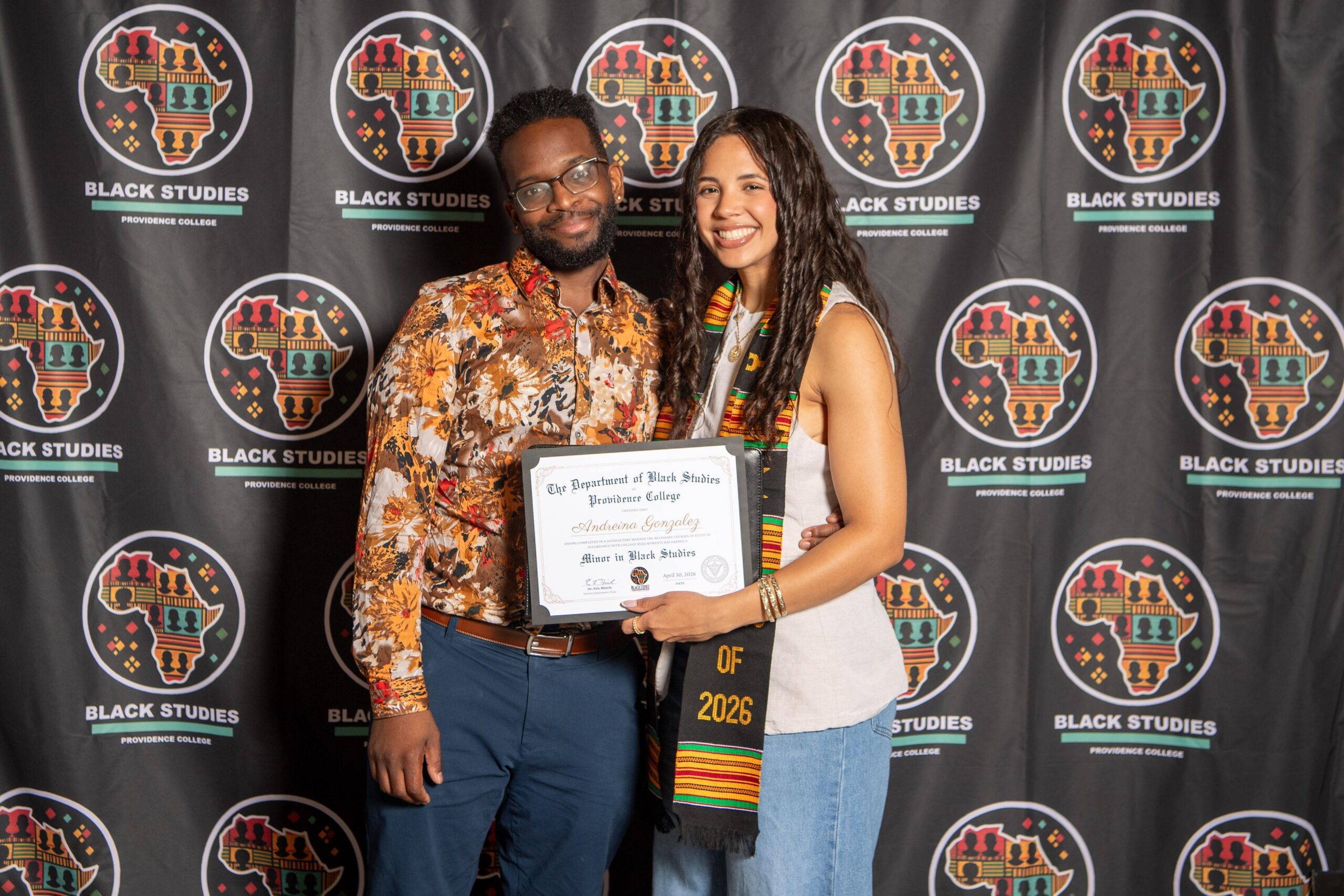
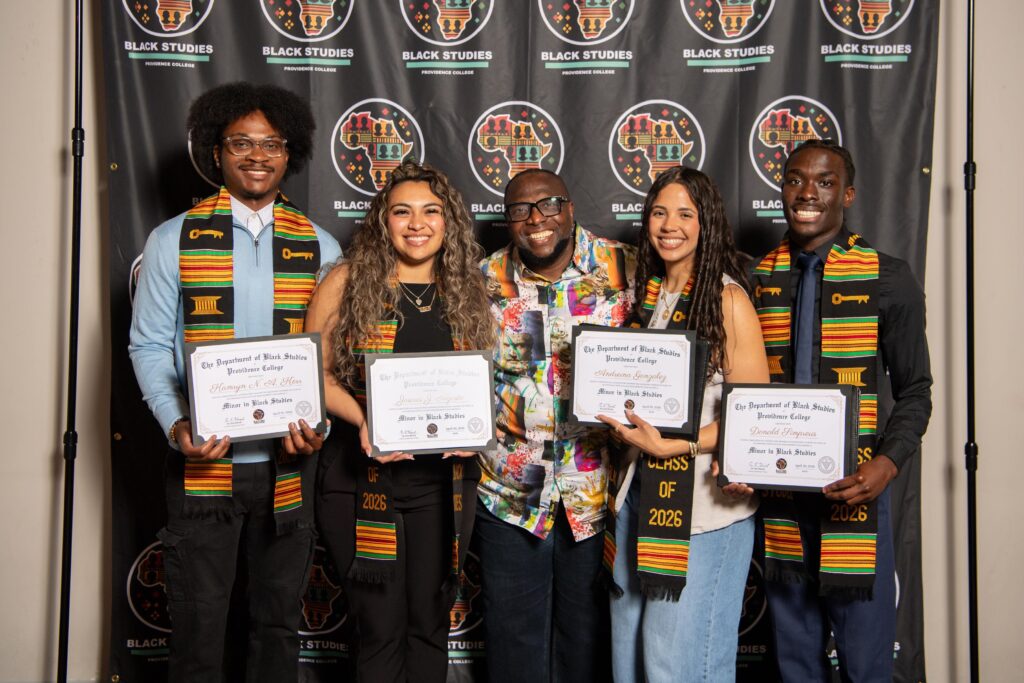
This spring ‘26 semester marked 30 years of Black Studies at Providence College, and concluded our year of 30th Anniversary celebrations. On April 30th, the Department of Black Studies held the Black Studies Senior Celebration and Banquet. The well-attended dinner celebrated our graduating senior Black Studies minors – Josaris Agosto, Christina Andruss, Corey Floyd Jr., Andreina Gonzalez, Delilah James, Kamryn Kerr, and Donald Simpreus.
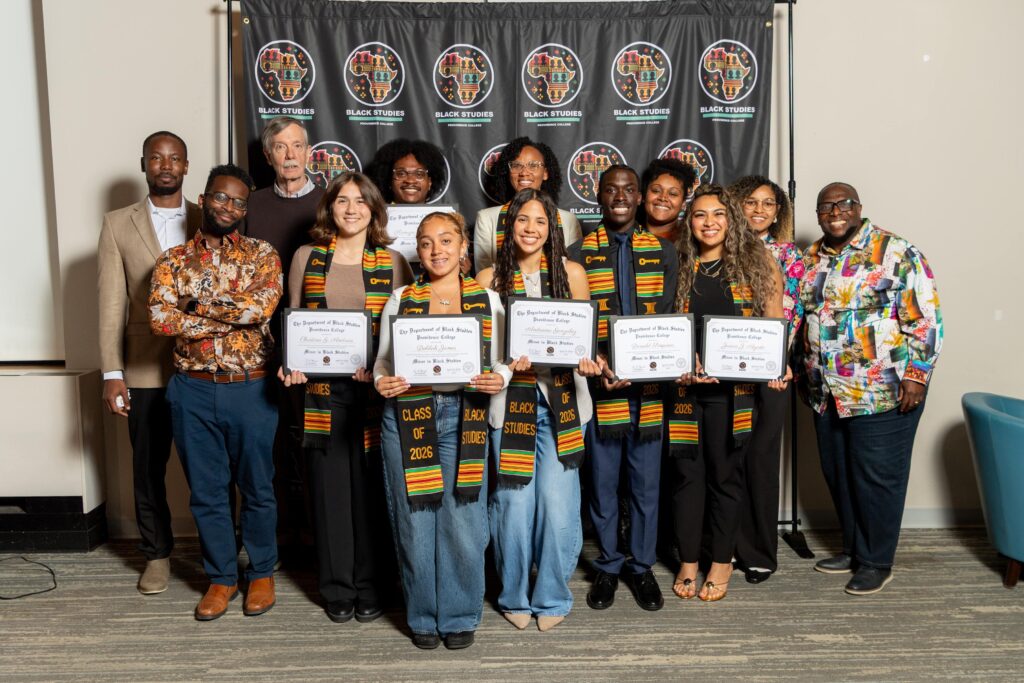
Drs. Paul Cato, Alioune Fall, Eva Wheeler, Eric Hirsch, Fr. Batts, and Dean Addie Dare shared words of celebration and encouragement for the graduating seniors, and spoke to the community of the Black Studies faculty, staff, students, and alumni.
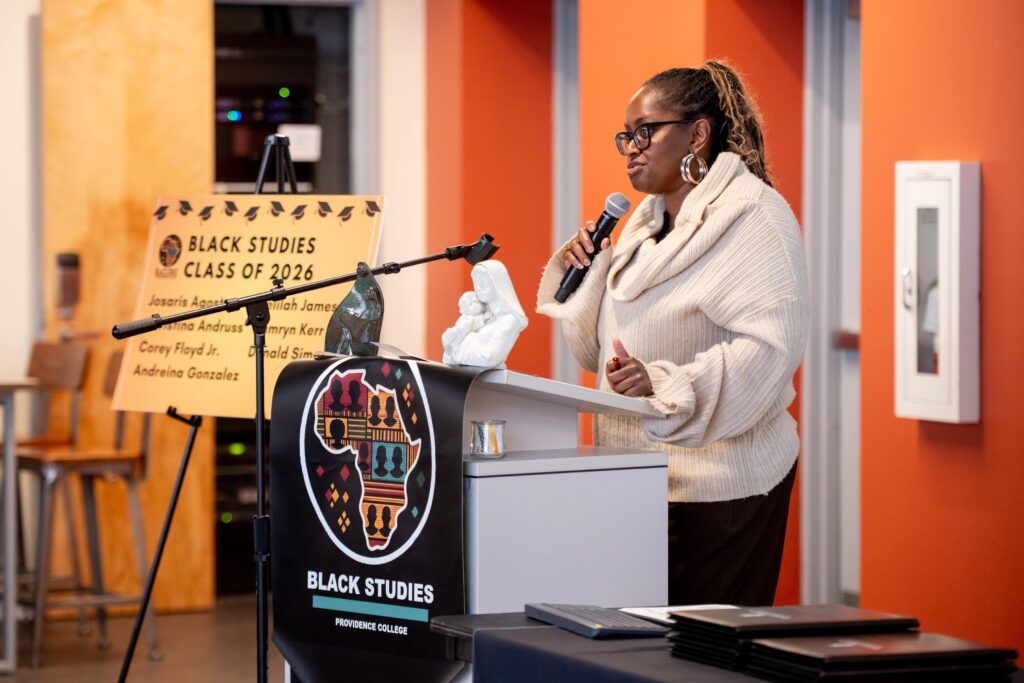
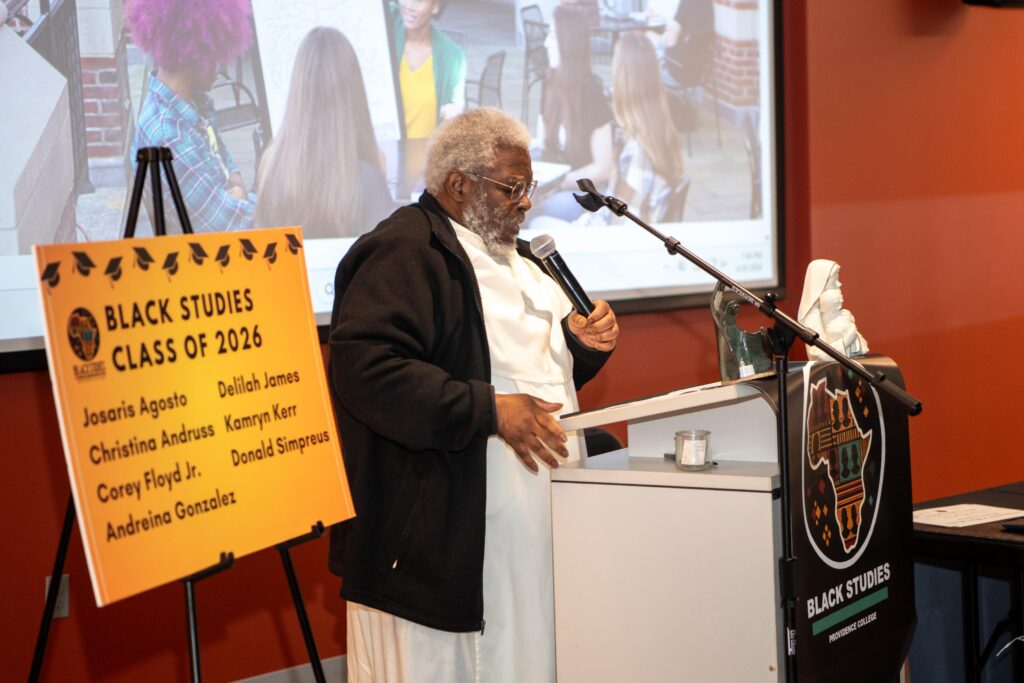
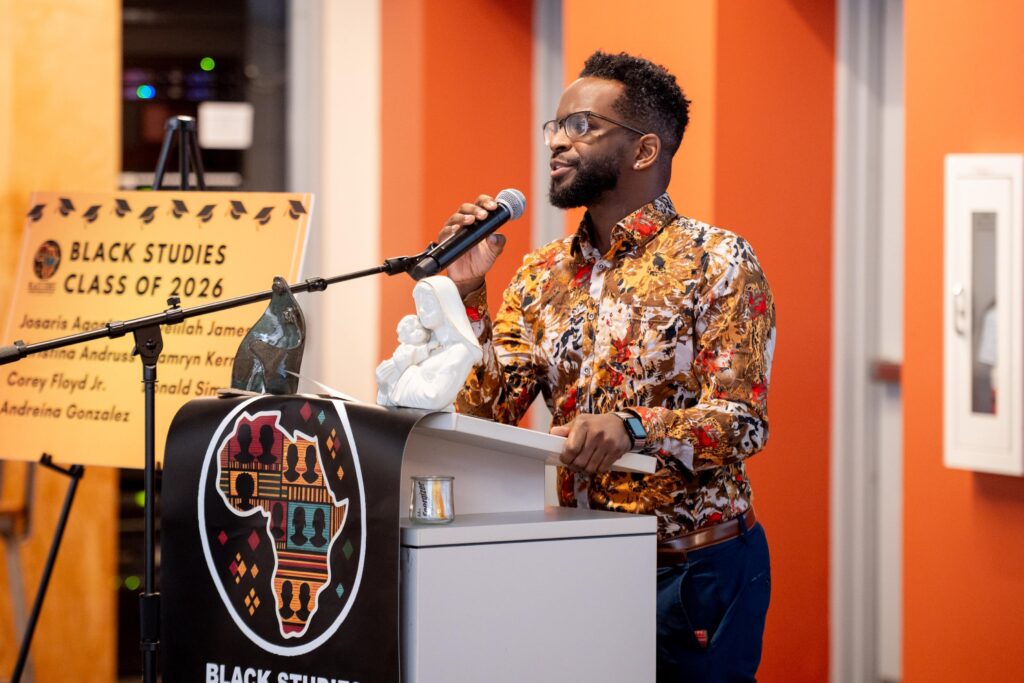
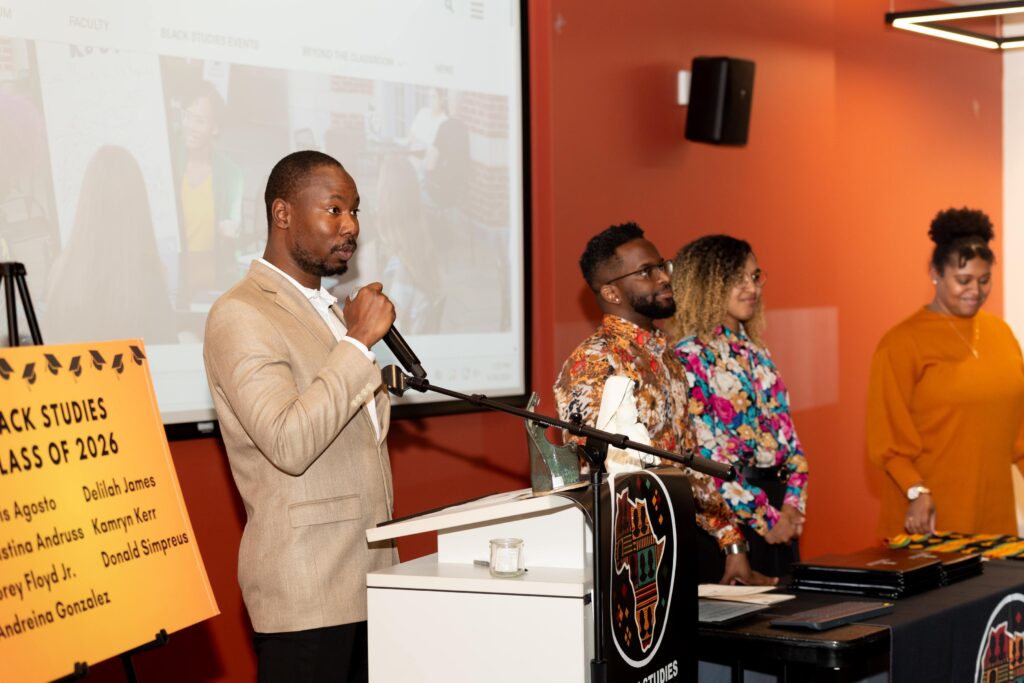
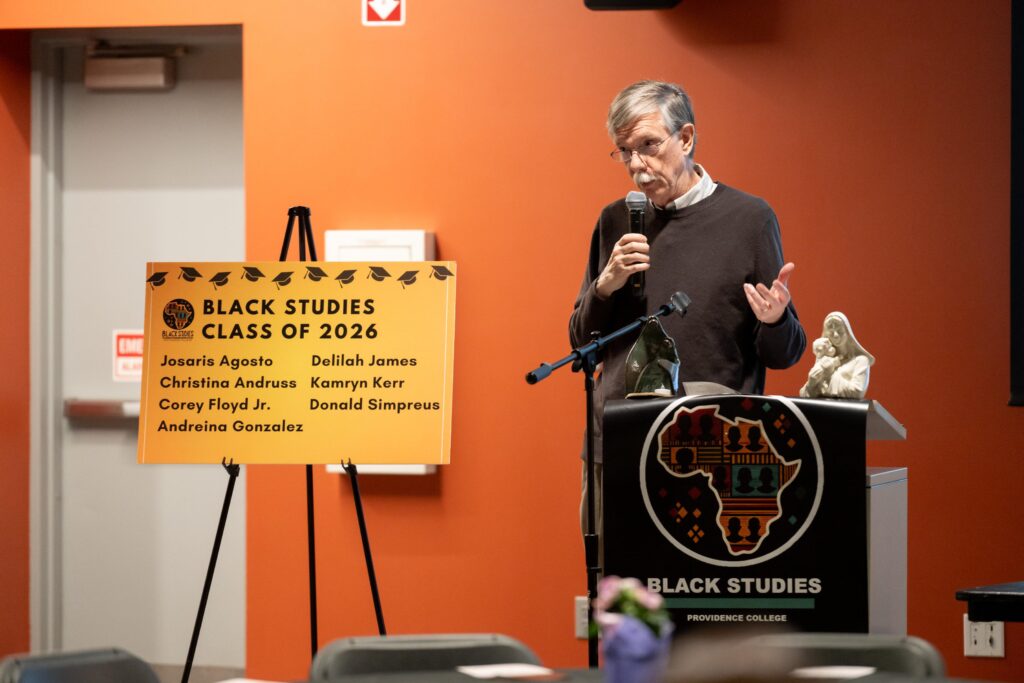
Our program included a Recognition of the Black Studies Faculty and Alumni, presented by seniors Delilah James and Andreina Gonzalez, and a Recognition of Black Studies Students, Classes of 2026-2029, presented by Eddy Semedo, ’28.
Departmental awards were also presented at the celebration. Donald Simpreus received the Mary McLeod Bethune Award, and Josaris Agosto received the Amílcar Cabral Freedom Award.
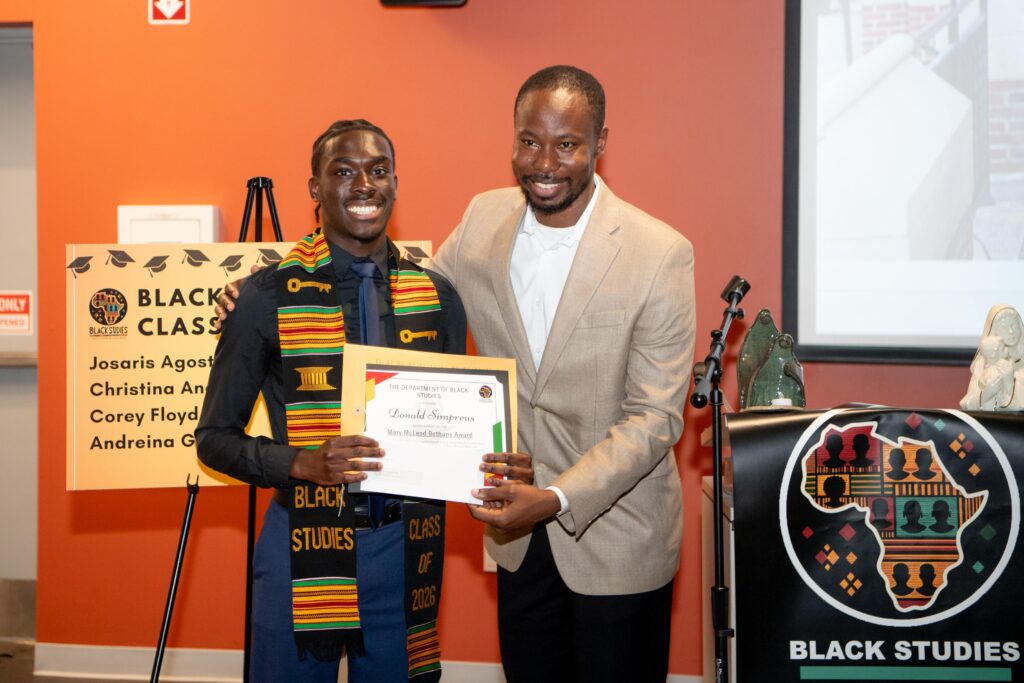
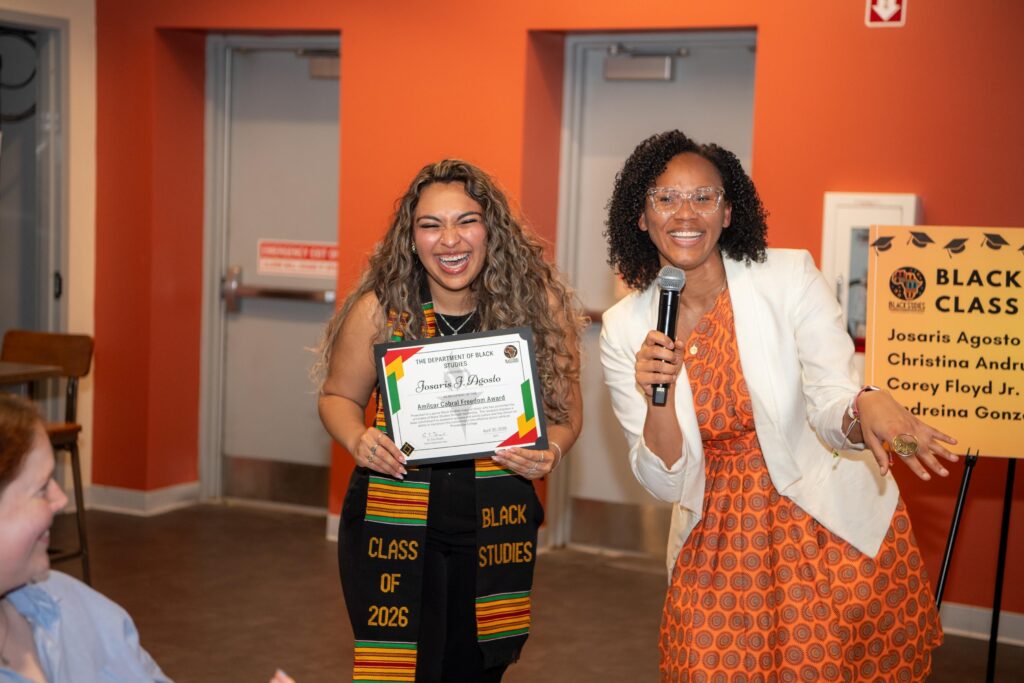
Congratulations to all of our seniors – we’re so proud of everything that you’ve accomplished, and can’t wait to see what you do next!
Curriculum Information
Black Studies Major
30 credits (10 courses)
– BLS 101: Intro to Black Studies
– BLS 480: Seminar in Black Studies
– 8 additional courses from the three thematic areas
Black Studies Minor
18 credits (6 courses)
– BLS 101: Intro to Black Studies
– 5 additional courses from the three thematic areas
Thematic Areas
Culture, Language, Literature, & the Arts
BLS 122: Black Cinema
BLS 225: The African World View
BLS 227: History of Jazz
BLS 314: Black Feminisms
BLS 376: Toni Morrison
Historical Inquiry
BLS 225: The African World View
BLS 304: Social Movements
BLS 344: Colonialism and Nationalism
in Modern Africa
BLS 347: The Civil Rights Movement in
the US: 1955-75
Fall 2026 Courses
BLS 101 – Intro to Black Studies
Fulfills:
Civic Engagement, Diversity, and Social Science
Section 001 Dr. Fall| T/R, 2:30-3:45pm
Section 002 Dr. Wheeler| T/R, 5:30-6:45pm
Section 004 Dr. Wheeler| T/R, 8:30-9:45am
Section 005 Dr. Cato | T/R, 10-11:15am
Section 006 Dr. Kyei-Poakwa| M/W/F, 1-1:50pm
BLS/HIS/TDF/AMS 122: Black Cinema | Diversity
Dr. Alyssa Lopez | MW 11:30am-12:45pm
BLS/EDU 220: Diversity and Culture
Section 001: Dr. Michael Massey| MW 10-11:15am
Section 002: Dr. Jordyn Hagar| TRF 9:30-10:20am
BLS/PSC 303 – Urban Politics in the U.S.
Dr. Michael Illuzzi | TR 2:30-3:45pm
BLS/SOC/AMS/WGS/PCS 314: Black Feminisms
Dr. Paul Cato | T 4-6:45pm
BLS 321- AIDS, Race, and Gender in the Black Community | Diversity
Dr. Aishah Scott
| Section 001: TR 11:30am-12:45pm
| Section 002: TR 1-2:15pm
BLS/PSC 334: African Politics
Dr. Daniel Banini | MW 1-2:15pm
BLS/HIS 344: Colonialism & Nationalism in Modern Africa | Diversity
Dr. Luz Colpa | MWF 2-2:50pm
BLS 370_001: Race, Indigeneity & Punishment
Dr. LeShae Henderson | MW 11:30am-12:45pm
BLS 395_001: Research in Black Studies
Dr. Paul Cato
Fall 2025 – Spring 2026 Events
“Reflections Unheard” Documentary Screening
October 2025
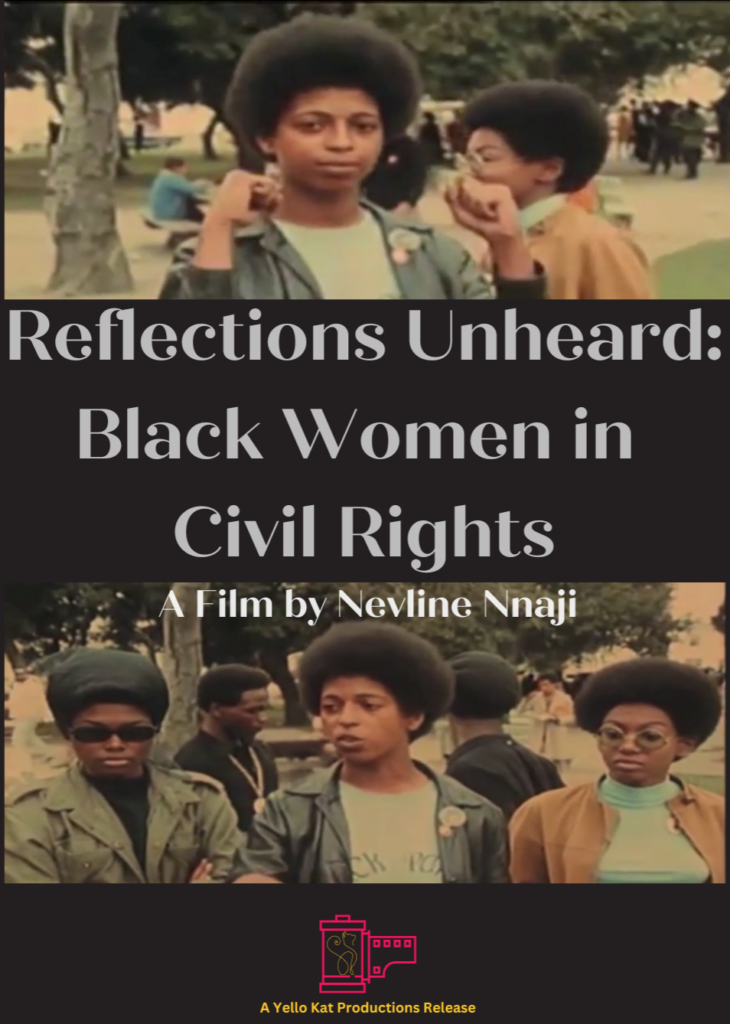
In October 2025, the department co-sponsored the screening of Reflections Unheard: Black Women in Civil Rights with the Departments of Sociology & Anthropology and Women’s and Gender Studies. Directed by Nevline Nnaji, the film, “through the personal stories of several former black female Civil Rights activists, unearths the lesser-known story of black women’s political marginalization between the male-dominated Black Power movement, and the predominantly white and middle class Feminist movement during the 1960s and 70s.”
Dr. Joanna Dreby, “How Communities Matter for Surviving the I.C.E. Age”
November 2025
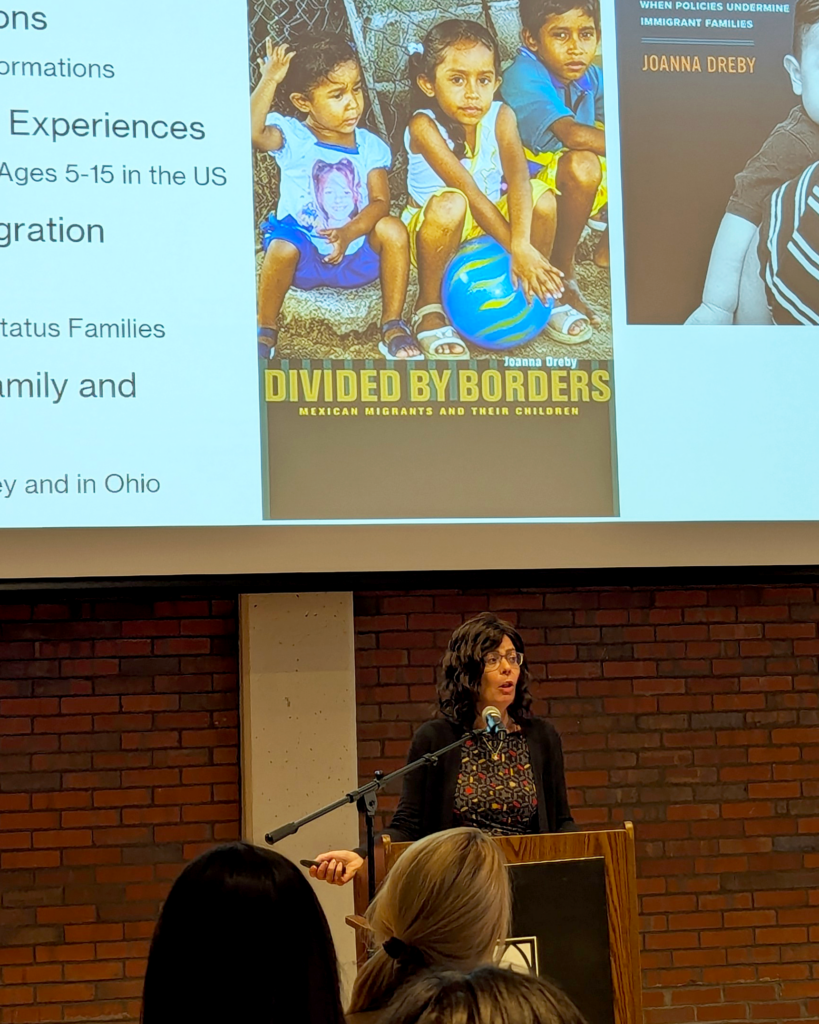
In November, the department co-sponsored an event with the Department of Sociology & Anthropology that welcomed Dr. Joanna Dreby, Professor of Sociology at the University at Albany, SUNY, to give a talk on her newly-published book, Surviving the I.C.E. Age: Children of Immigrants in New York. Dr. Dreby’s research explores family dynamics under conditions of increased globalization, with specific expertise on international migration, gender, and children. In the book, Dr. Dreby draws on interviews with young adults with foreign born parents to better understand what it was like to grow up during a time of heightened U.S. migratory control.
More Than Just Words: How Identity-Based Language Impacts Social Norms in Communities
February 2026
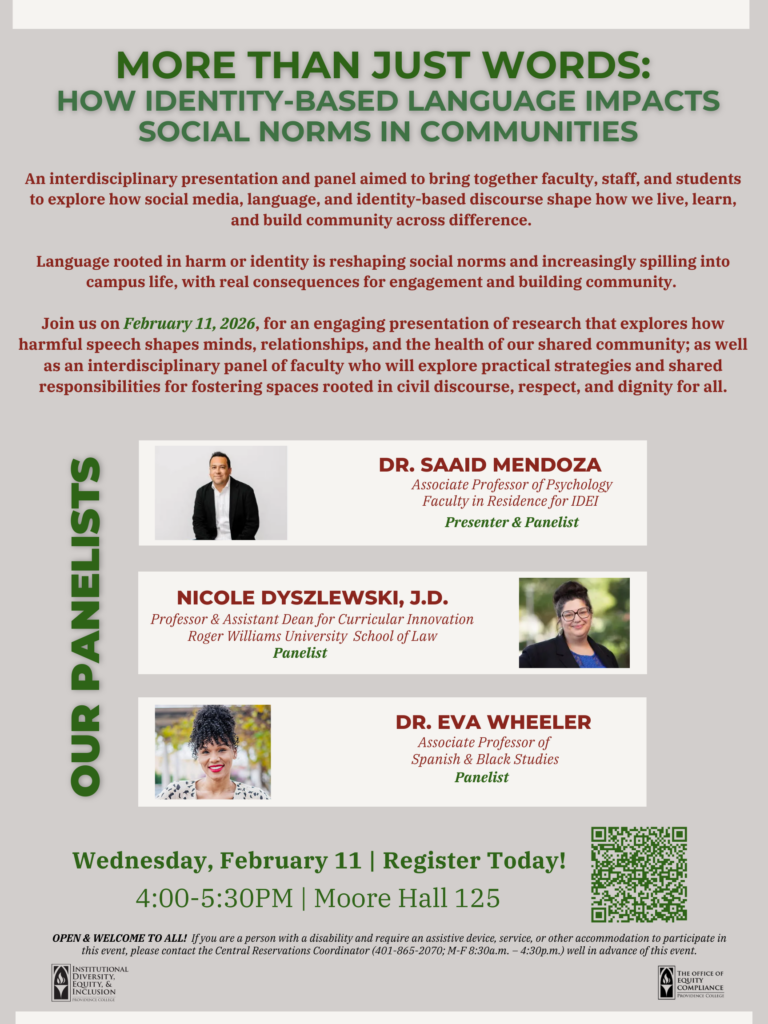
In February, Dr. Wheeler participated in a interdisciplinary presentation and panel aimed to bring together faculty, staff, and students to explore how social media, language, and identity-based discourse shape how we live, learn, and build community across difference. Dr. Wheeler was joined by fellow panelist Nicole Dyszlewski, J.D. of Roger Williams University School of Law, and presenter and panelist Dr. Saaid Mendoza, Associate Professor of Psychology at PC.
“Of Civil Wrongs and Rights: The Fred Korematsu Story” A Talk by Dr. Karen Korematsu
March 2026
In March, the department was excited to co-sponsor a talk with the Department of History and Classics, along with several other academic department. Dr. Karen Korematsu, the daughter of late civil rights icon Fred Korematsu who resisted the internment of Japanese Americans during World War II, came to campus to share the story of her father.
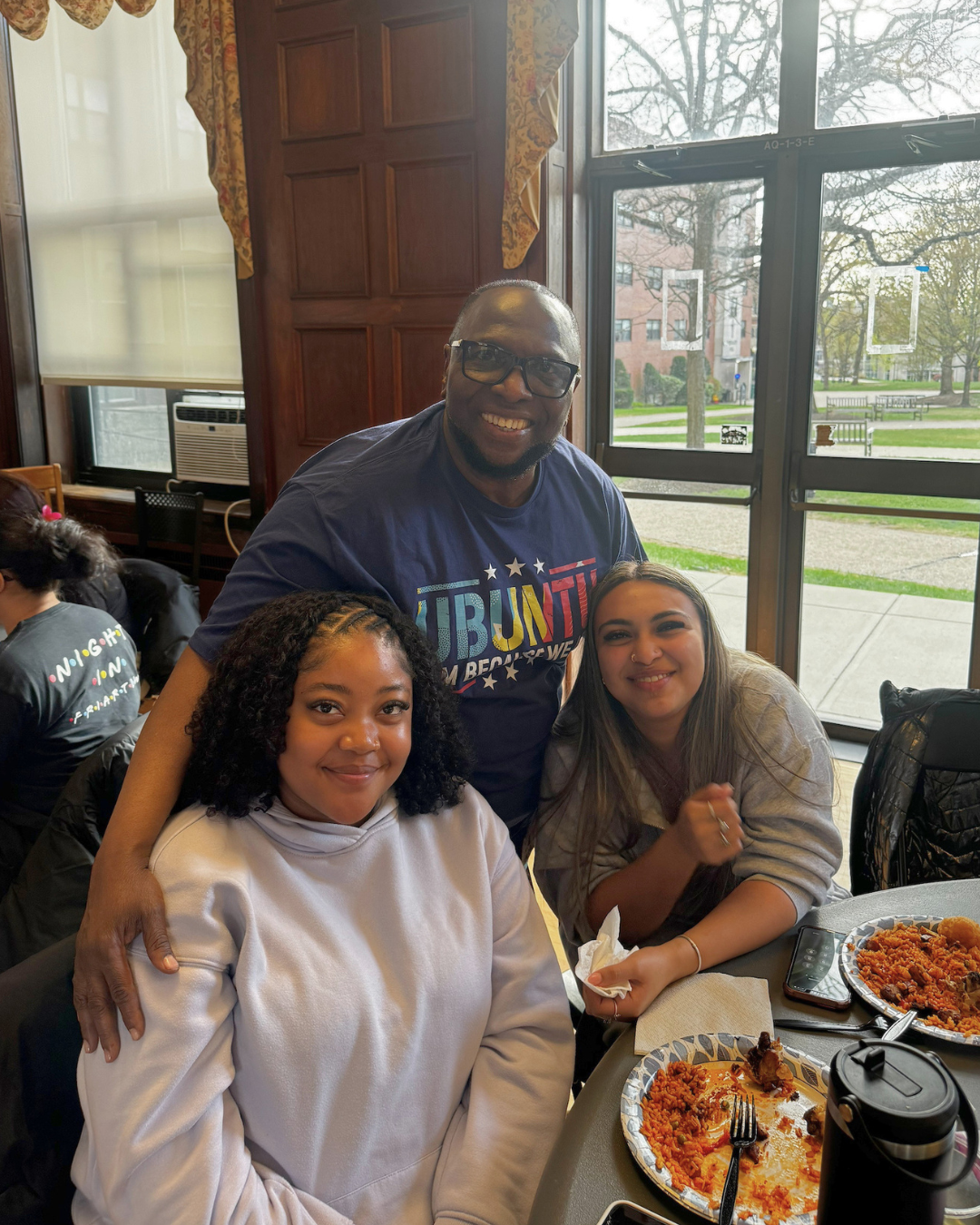
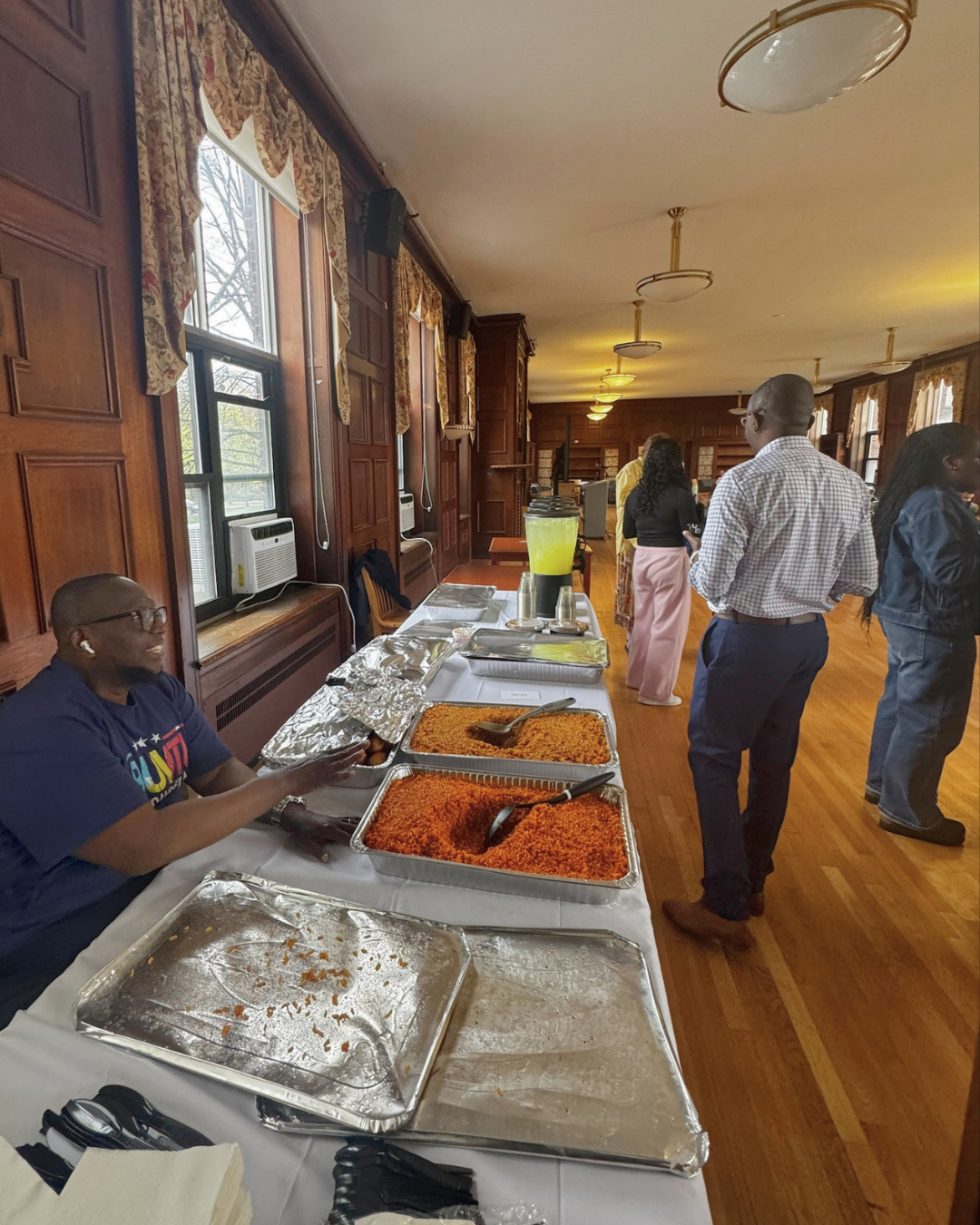
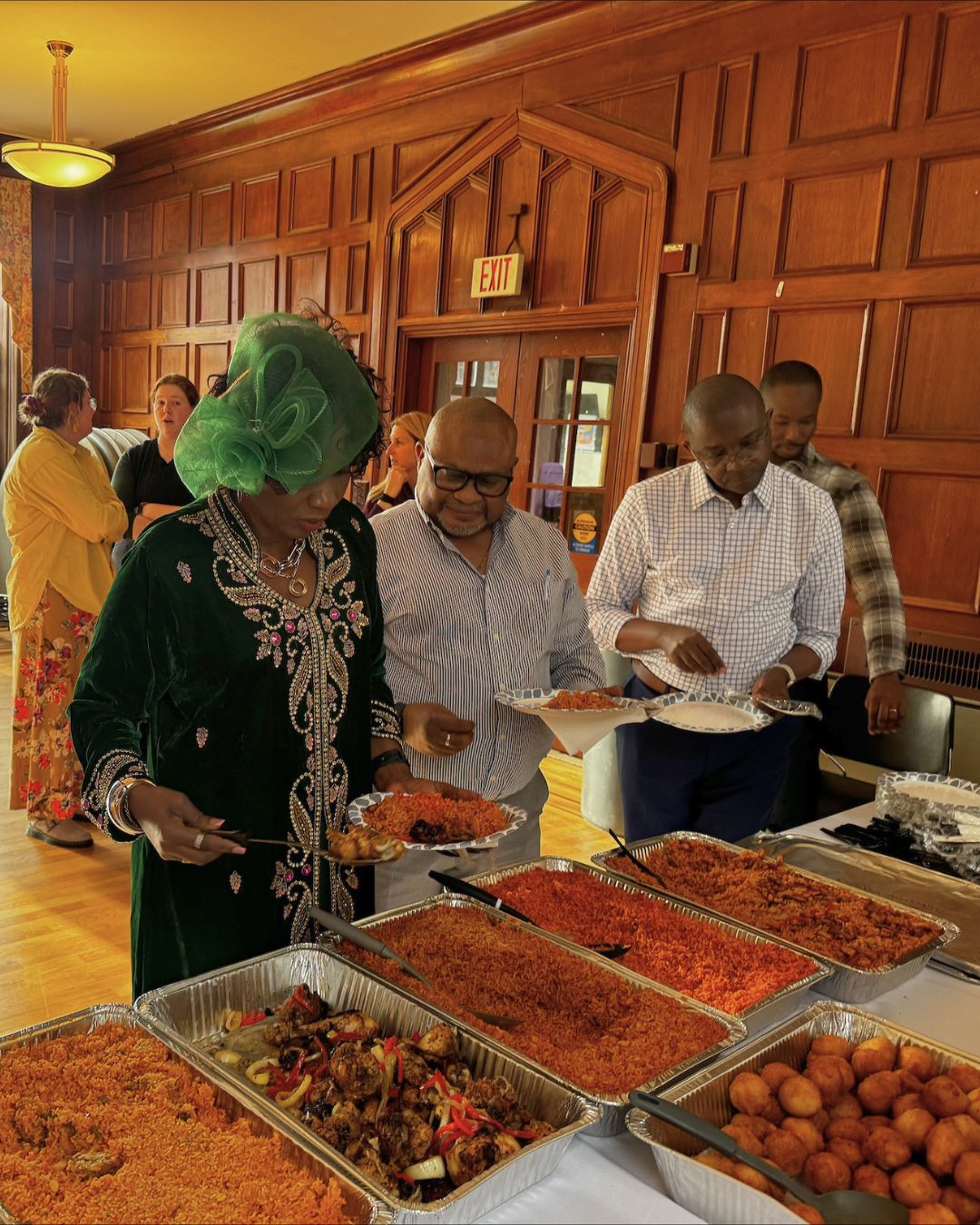
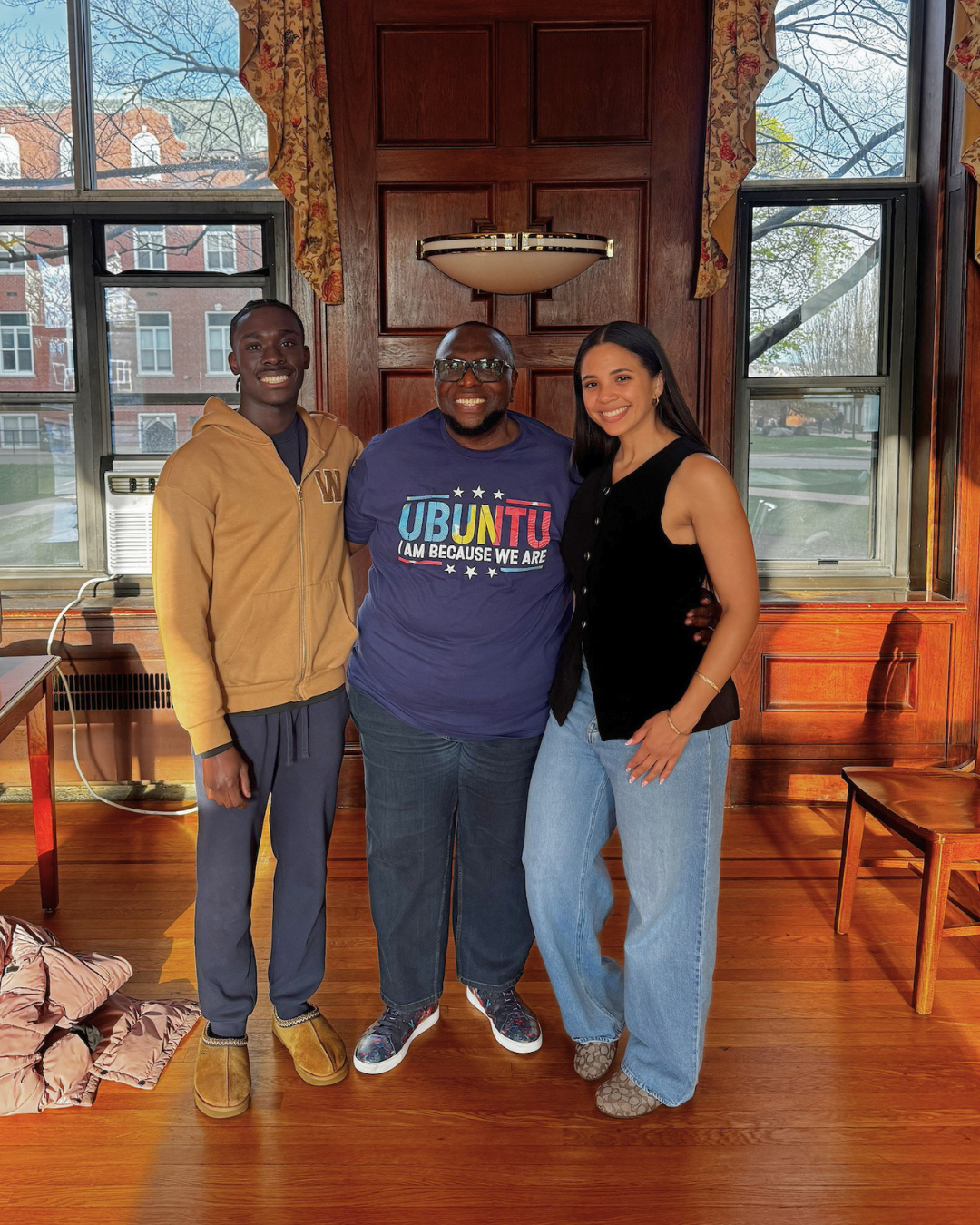
African Jollof Dinner with Dr. Kyei-Poakwa
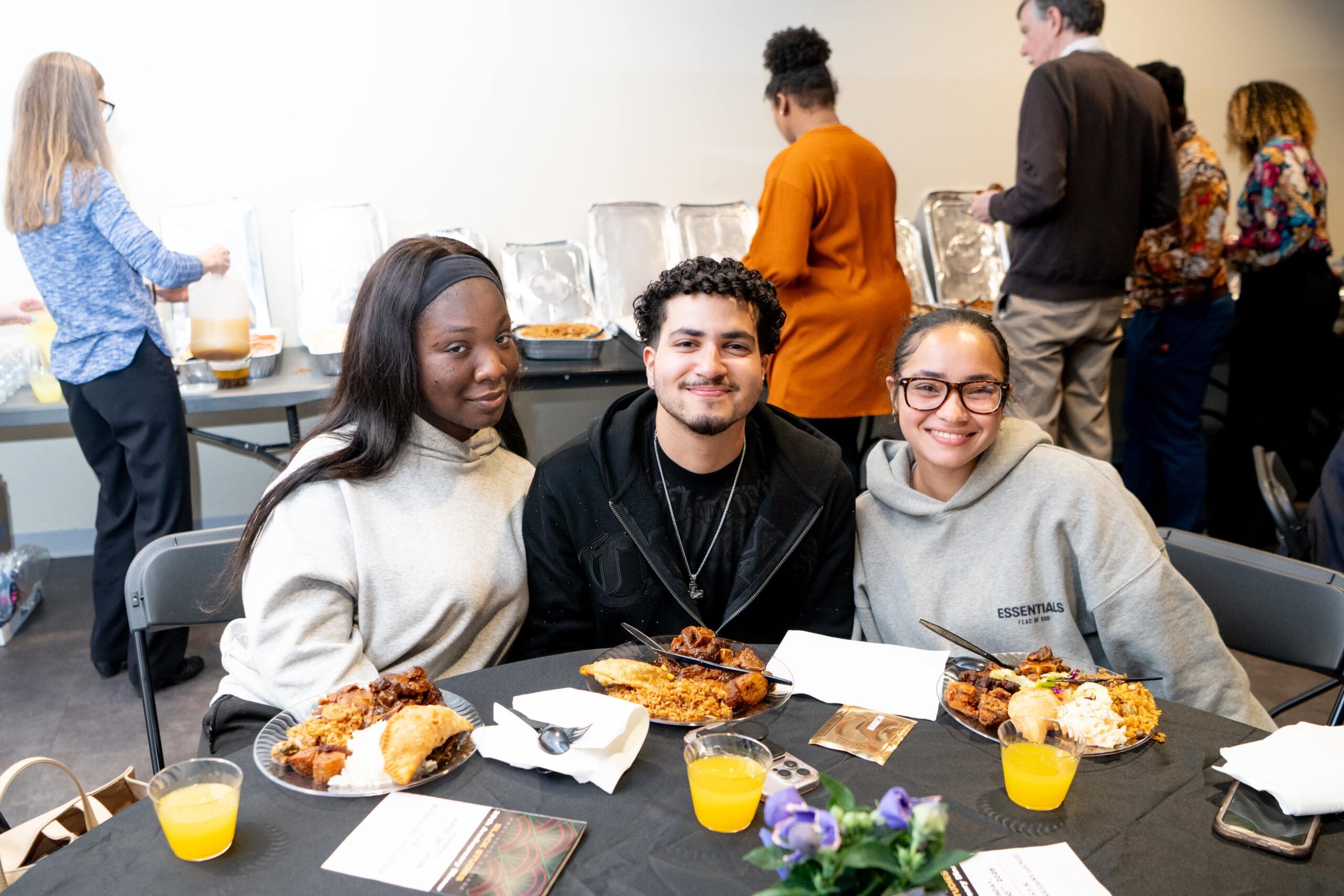
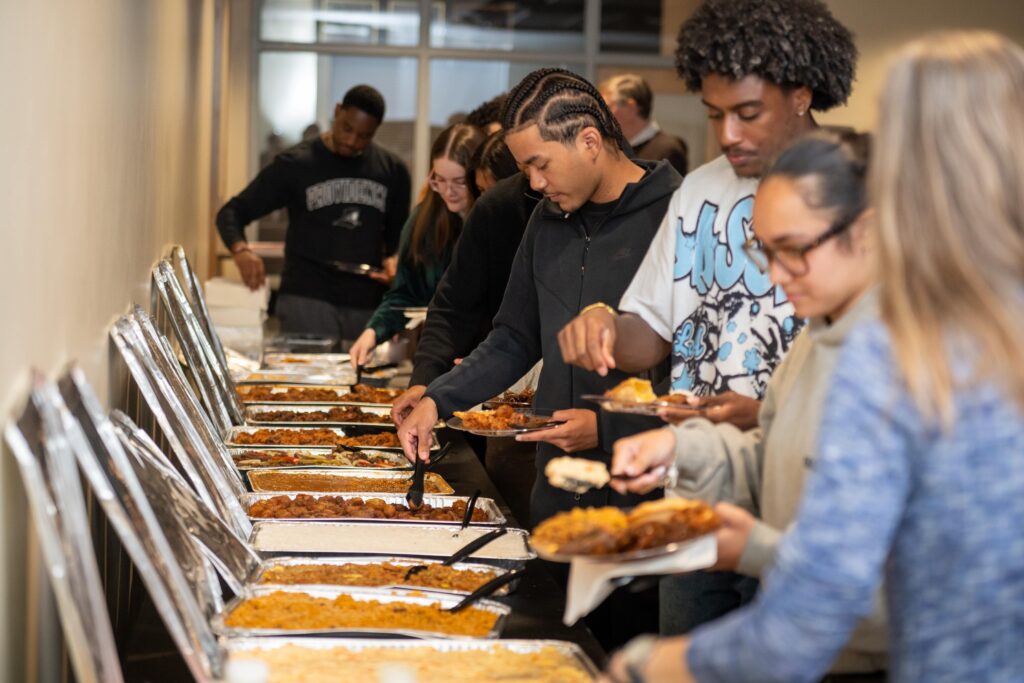
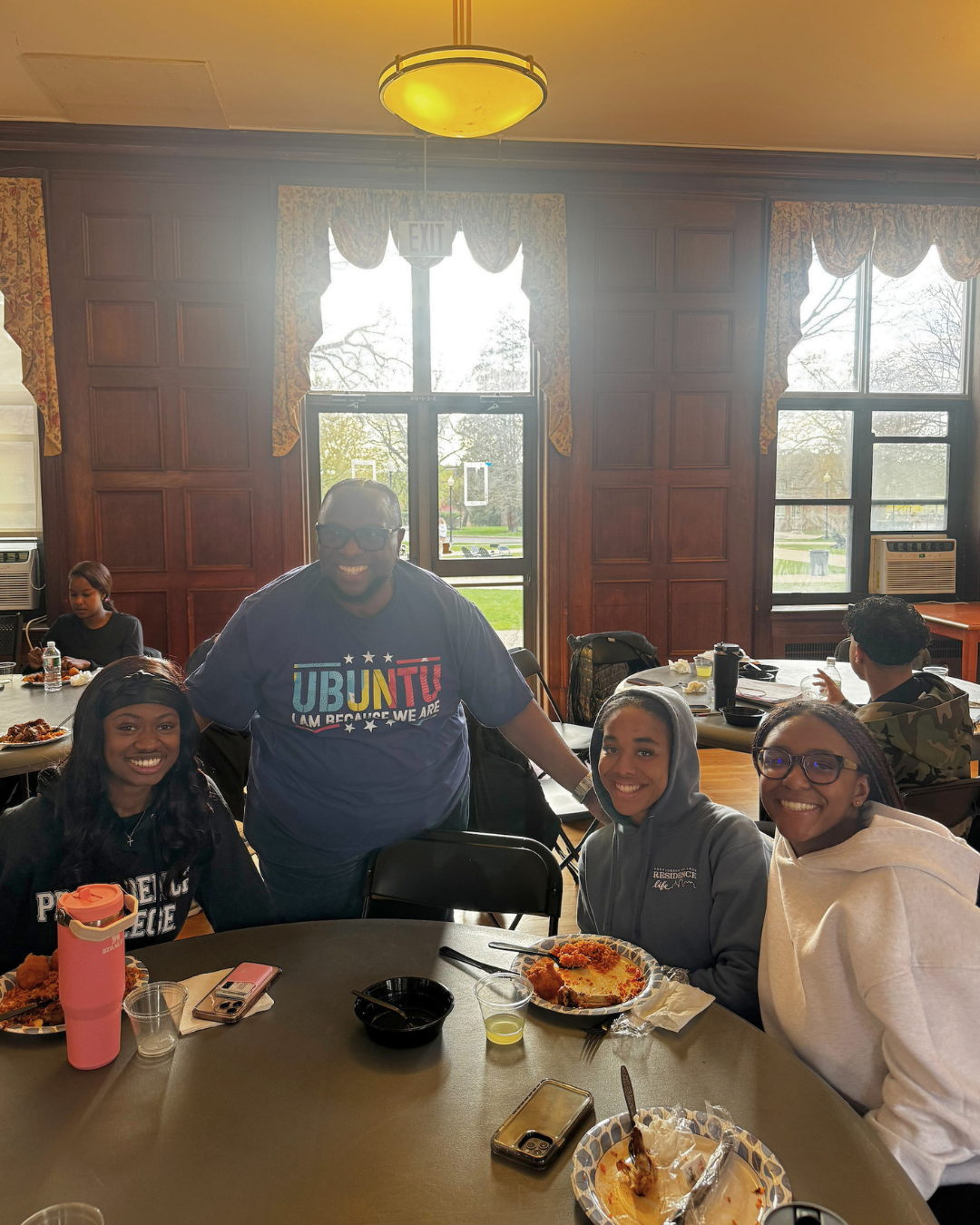
Dr. Kyei-Poakwa organized another successful African dinner for his Black Studies classes in April, providing a bountiful feast for his students to enjoy in celebration of a successful semester. Dinner was accompanied by student final presentations, coming together to create a perfect end to the semester!
Are You a Black Studies Alumni?
We’d love to hear how you’re doing!
Send us an update at black.studies@providence.edu
Want to update your contact info or be added to our mailing list?
Send us your name and email!
Department Office
Howley Hall 119
401.865.2125
401.865.2232
black.studies@providence.edu
Black Studies
Social Media